CHANGING THE WAY WOMEN AGE.

What Is "Food Noise"
And Why Is Everyone Talking About It?

Have you ever finished a meal and immediately started thinking about your next one?
Maybe you're not physically hungry.
But you're wondering what's in the pantry.
Thinking about dessert.
Planning your next snack.
Or trying to ignore a craving that seems to come out of nowhere.
If this sounds familiar, you're not alone.
In recent years, a term called food noise has become increasingly popular as more people realize there's a difference between being hungry and constantly thinking about food.
For some women, food noise can feel like a background conversation that never fully stops.
And it can be exhausting.
What Exactly Is Food Noise?
Food noise refers to persistent thoughts about food that seem to occupy your mind throughout the day.
It might sound like:
-
"What should I eat next?"
-
"Should I have a snack?"
-
"I deserve a treat."
-
"Maybe just one bite."
Food noise isn't simply enjoying food or looking forward to a meal.
It's the feeling that food is constantly competing for your attention.
Even when you're trying to focus on something else.
Many women describe it as a mental tug-of-war that makes healthy choices feel harder than they should.
Why Some People Experience More Food Noise
Food noise isn't a character flaw.
And it isn't necessarily a lack of willpower.
In many cases, biological factors may be contributing to those persistent thoughts about food.
Several factors can increase food noise, including:
Hunger Hormones
Hormones such as ghrelin, GLP-1, and PYY help regulate appetite and fullness.
When these signals become imbalanced, hunger may feel stronger and satisfaction may not last as long.
Blood Sugar Fluctuations
Meals that are high in sugar or refined carbohydrates can create rapid spikes and crashes in blood sugar.
These fluctuations can trigger cravings and make food feel harder to ignore.
Stress
Stress doesn't just affect mood. It can also influence appetite and cravings.
Many people notice they think about food more often during periods of high stress, even when they aren't physically hungry.
Habit Loops
Sometimes food noise develops simply because certain behaviors have become automatic.
A snack while watching television. Something sweet after dinner. A treat after a stressful meeting.
Over time, these routines can become deeply ingrained.

Hunger And Food Noise Are Not The Same Thing
This is one of the most important distinctions to understand.
Physical hunger comes from the body. Food noise often comes from the mind.
Physical hunger tends to build gradually.
You may notice:
-
an empty stomach
-
low energy
-
difficulty concentrating
And most foods sound appealing.
Food noise feels different. It's often more specific.
You may suddenly crave chips. Or chocolate. Or something sweet.
And even after eating, the thoughts can continue.
Understanding this difference helps explain why eating more isn't always the answer.
Sometimes the issue isn't hunger.
It's the constant mental focus on food.
Why Food Noise Feels So Exhausting
Most people don't realize how much mental energy food noise can consume.
Every craving becomes a decision. Every decision requires attention.
And over time, those constant decisions can become draining.
Many women describe feeling:
-
distracted
-
frustrated
-
emotionally exhausted
-
out of control around food
The challenge isn't always the food itself. It's the amount of mental space food occupies throughout the day.
When food becomes the center of your attention, it can feel difficult to focus on anything else.
The Hidden Role Of Your Gut
One of the most fascinating discoveries in recent years is the connection between gut health and appetite regulation.
Your digestive system helps influence hormones involved in hunger and fullness.
This communication network, often called the gut-brain connection, plays a significant role in how satisfied you feel after eating.
When the gut microbiome is supported, appetite signals may function more effectively.
When it's not, cravings and food-focused thoughts may become more noticeable.
This is one reason researchers have become increasingly interested in how gut health affects hunger, satiety,
and overall eating behaviors.
Ways To Reduce Food Noise
There is no single solution that works for everyone.
But several habits consistently help support healthier appetite regulation.
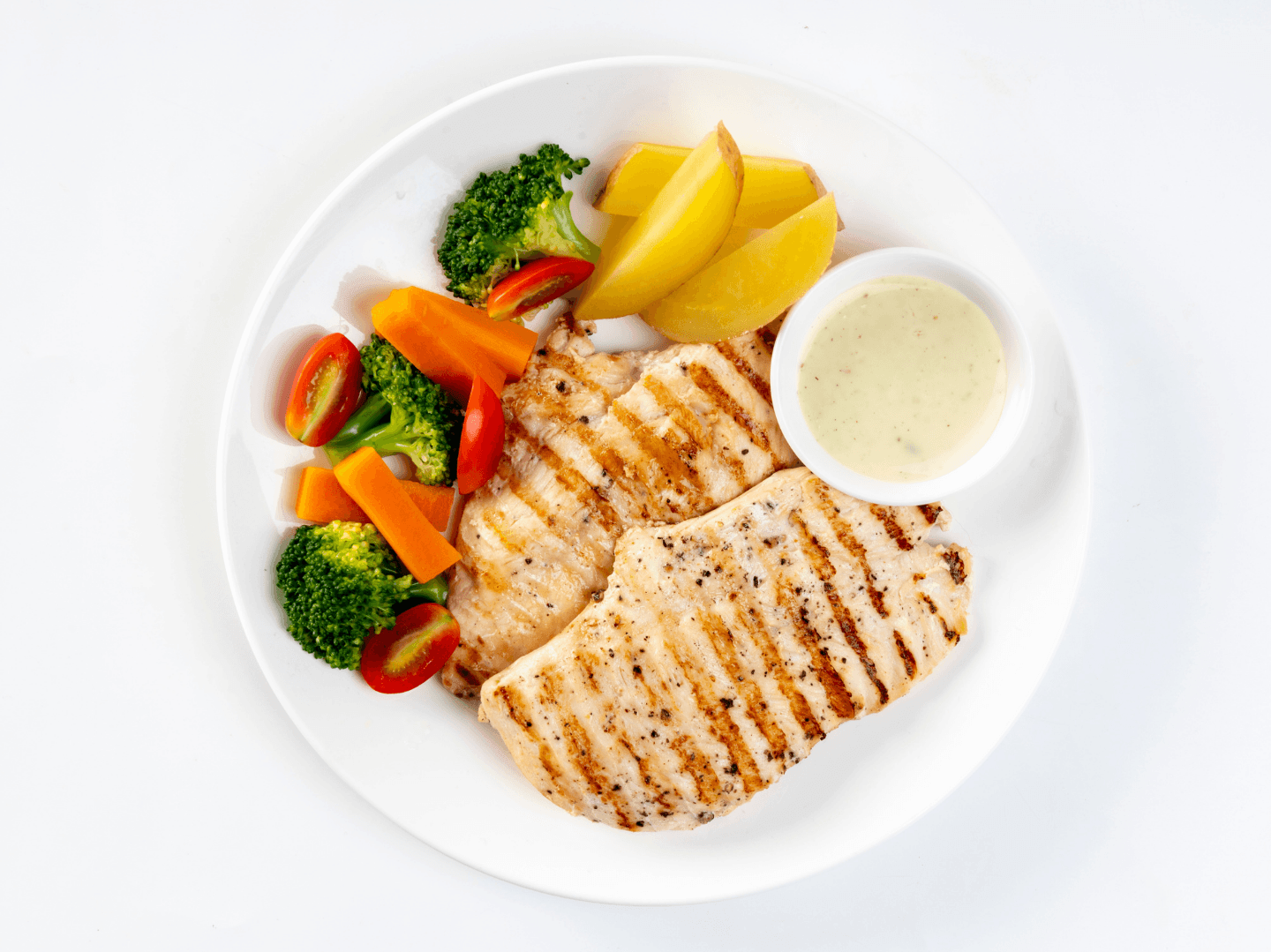
Prioritize Protein
Protein helps support satiety and may help reduce the urge to snack between meals.
Build Balanced Meals
Including protein, healthy fats, and fiber can help support steadier energy and fewer blood sugar swings

Get Enough Sleep
Poor sleep can affect hormones involved in appetite and cravings.

Manage Stress
Even small stress-management habits can make a meaningful difference over time.

Support Gut Health
A healthy gut supports many of the systems involved in appetite regulation and satiety.

Stay Consistent
Food noise often improves when your body receives consistent nourishment and support.

Where MetabAlert Fits In
Because food noise is influenced by multiple systems throughout the body, supporting those systems can be an important part of the solution.
MetabAlert was formulated to help address several of the factors that contribute to weight loss resistance, including cravings, appetite regulation, metabolism, and stress-related eating patterns.
Rather than simply focusing on calories, MetabAlert takes a broader approach by supporting the brain, hormones, and metabolic pathways involved in appetite control.
For many women, this helps create a greater sense of control and makes healthy choices feel easier to maintain.
Additional Support For Appetite And Satiety
Because gut health also plays a major role in appetite regulation, many women choose to pair MetabAlert with Lean Belly Balance ADVANCED.
Powered by Akkermansia muciniphila and Bifido animalis lactis B420, Lean Belly Balance ADVANCED supports gut health and natural satiety hormones such as GLP-1 and PYY.
Together, these systems help support feelings of fullness and satisfaction after meals.
The Takeaway
If you find yourself thinking about food all day long, you're not imagining it.
Food noise is a real experience that many women face.
And it's often influenced by much more than willpower alone.
-
Hormones.
-
Blood sugar.
-
Stress.
-
Gut health.
-
Daily habits.
All of these factors can play a role.
The good news is that when you begin supporting the systems involved in appetite regulation, food often takes up less mental space.
And when food stops dominating your thoughts, it becomes easier to focus on living your life instead of planning your next snack.

References:
-
The Gut-Brain Axis: Interactions Between Enteric Microbiota and the Nervous System – National Library of Medicine https://pubmed.ncbi.nlm.nih.gov/29291669/
-
Stress, Eating Behavior and Obesity – National Library of Medicine
https://pubmed.ncbi.nlm.nih.gov/25260980/
-
GLP-1 and Appetite Regulation – National Library of Medicine
https://pubmed.ncbi.nlm.nih.gov/24825465/
-
PYY and Satiety Signaling – National Library of Medicine
https://pubmed.ncbi.nlm.nih.gov/10770958/
-
Harvard Health Publishing – Understanding Cravings and Appetite

Learn More
Info
Contact us
📍321 W. Broadway, Suite 500,
Missoula MT 59802
Learn More
Info
Contact us
📍321 W. Broadway, Suite 500,
Missoula MT 59802
*These statements have not been evaluated by the Food and Drug Administration. These products are not intended to diagnose, treat, cure, or prevent any disease.
**Individuals may have received free product or compensation in exchange for their honest review. Individual results will vary. All other benefits/effects noted in these testimonials/reviews are the individuals’ personal opinions and have not been studied.
© 2026 AgelessLX ®️. All rights reserved.