CHANGING THE WAY WOMEN AGE.

What Drains Your Energy Without You Realizing It
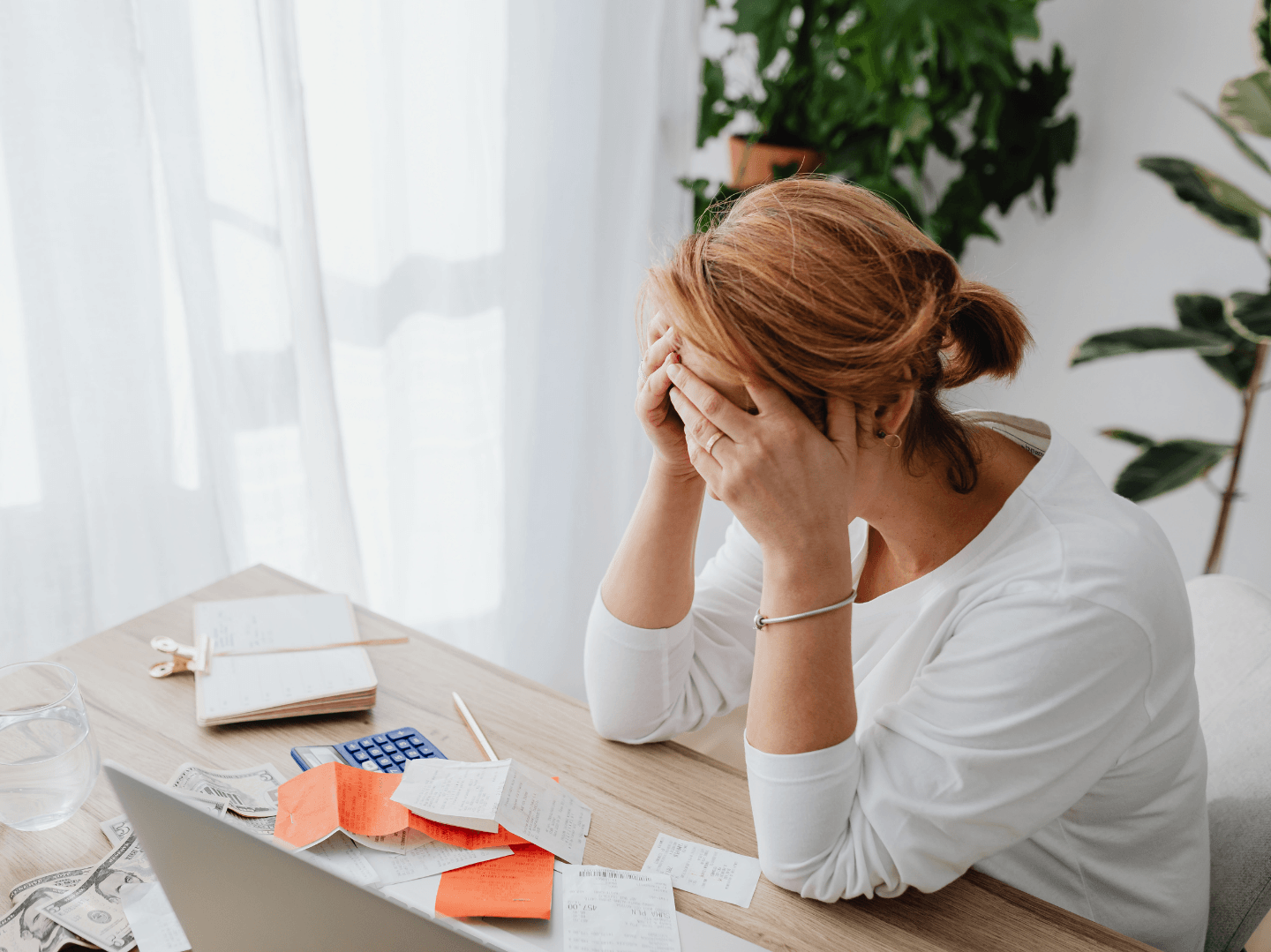
Most of us know what it's like to feel tired after a busy day.
But what about the days when you haven't done much at all, yet you still feel mentally and physically drained?
It's easy to assume the answer is simple. "I must not have slept enough."
Sometimes that's true. But often, there isn't just one reason you feel depleted.
Your body is working around the clock, managing thousands of processes you rarely notice. Digestion. Hormone regulation. Tissue repair. Immune function. Temperature control. These systems are constantly working together to keep you healthy.
When several of those systems are under extra pressure at the same time, feeling run down can become more common.
Your Body Is Designed To Adapt
One of the most remarkable things about the human body is its ability to adapt.
When you have a stressful day, your body adjusts.
When you miss a night of sleep, your body adjusts.
When you skip a meal or spend hours sitting at your desk, your body adjusts.
Most of the time, these short-term changes aren't a problem.
The challenge comes when they stop being occasional and become part of everyday life.
Instead of recovering from one stressful event, your body is constantly adapting to the next one.
Over time, that can make it harder to feel like you're operating at your best.
It's Often The Little Things, Not One Big Thing
Rarely does one habit determine how you feel.
More often, it's the accumulation of small demands placed on your body every day.
Eating on the go.
Long hours sitting without moving.
Busy schedules that leave little time to recover.
Choosing convenience over balanced meals because life gets hectic.
None of these habits are unusual.
In fact, they're incredibly common.
But when several happen together, they can gradually place greater demands on your body's normal recovery processes.
That's why improving your health often isn't about making one dramatic change.
It's about reducing those small daily demands wherever you can.
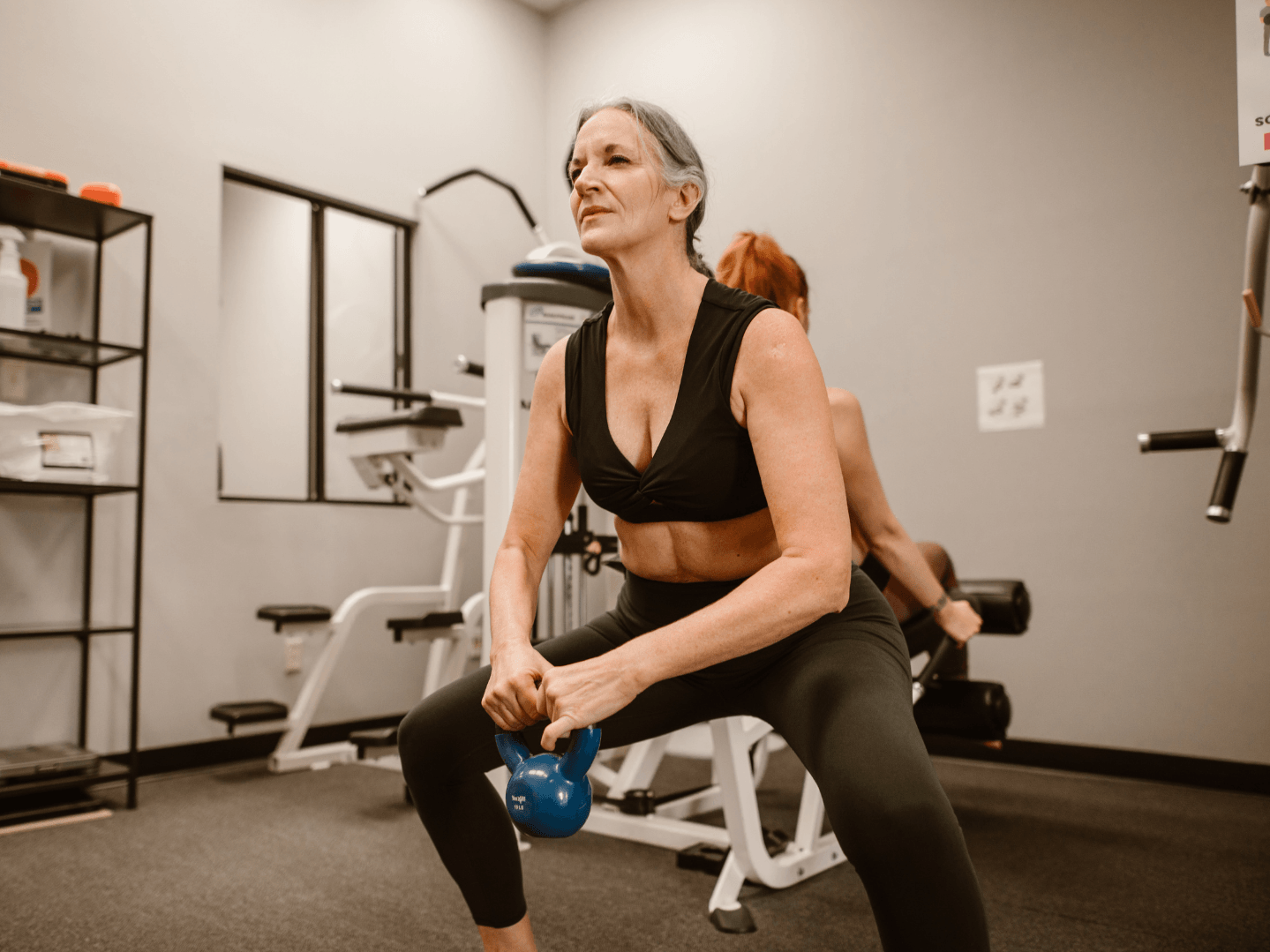
Muscle Does More Than Help You Stay Strong
When people think about muscle, they often picture lifting weights or building a more toned physique.
But muscle plays a much bigger role than appearance.
It supports movement.
It contributes to mobility and independence as we age.
It also plays an important role in metabolic health because muscle is one of the body's most metabolically active tissues.
Maintaining lean muscle isn't just about staying strong today.
It's an investment in how well your body continues to function over the years ahead.
Metabolism Is More Than Burning Calories
Metabolism is often reduced to one idea: how many calories your body burns.
In reality, metabolism refers to the countless chemical reactions that keep your body alive.
Converting food into usable energy.
Repairing cells.
Supporting hormone function.
Maintaining healthy tissues.
These processes happen every second of every day.
That's why supporting metabolic health is about much more than weight management.
It's about supporting one of your body's most fundamental systems.
Where AgelessLX Fits Into Your Routine
Healthy aging isn't built on one habit or one product.
It's the result of consistently supporting the systems your body relies on every day.
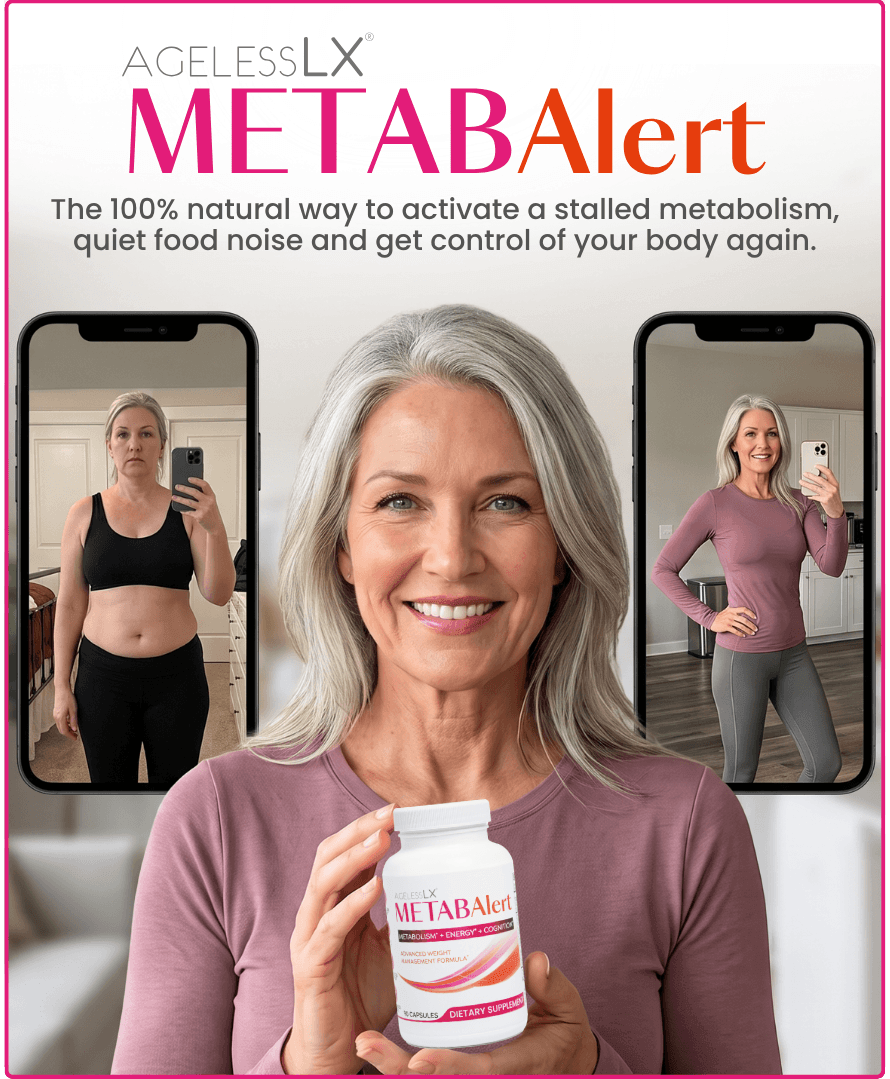
MetabAlert complements a healthy lifestyle by supporting metabolic health and helping maintain healthy blood sugar levels already within the normal range.*
AgelessLX Strawberry Lemonade is powered by myHMB (Calcium beta-hydroxy beta-methylbutyrate), a research-backed ingredient that supports lean muscle, an important part of maintaining strength, mobility, and healthy aging.
Together, they complement balanced nutrition, regular movement, and healthy daily routines by supporting two important areas of long-term wellness: metabolic health and lean muscle.
The Takeaway
Feeling drained isn't always about one bad night's sleep or one busy day.
Often, it's the result of many small demands adding up over time.
Stress.
Busy schedules.
Less movement.
Changing bodies.
These are all part of life.
The goal isn't to eliminate every challenge.
It's to build habits that help your body adapt, recover, and stay resilient through each stage of healthy aging.
Because when you consistently support the systems that support you, you're building a stronger foundation for feeling your best tomorrow and for years to come.
References:
-
National Institute on Aging.
Exercise and Physical Activity.
https://www.nia.nih.gov/health/exercise-and-physical-activity
-
Harvard T.H. Chan School of Public Health.
The Nutrition Source: Protein.
https://nutritionsource.hsph.harvard.edu/protein/
-
Wilkinson DJ, Hossain T, Hill DS, et al.
Effects of Leucine and Its Metabolite β-Hydroxy-β-Methylbutyrate (HMB) on Human Skeletal Muscle Protein Metabolism. https://pubmed.ncbi.nlm.nih.gov/23878395/
IMPORTANT NOTE
This article is provided for general educational purposes only and is not intended to replace individualized medical advice. The information shared is designed to support informed conversations about healthy aging, nutrition, movement, and lifestyle. Always consult your healthcare professional before making significant changes to your diet, exercise routine, or supplement use, especially if you are pregnant, nursing, taking medication, or managing a health condition.

Learn More
Info
Contact us
📍321 W. Broadway, Suite 500,
Missoula MT 59802
Learn More
Info
Contact us
📍321 W. Broadway, Suite 500,
Missoula MT 59802
*These statements have not been evaluated by the Food and Drug Administration. These products are not intended to diagnose, treat, cure, or prevent any disease.
**Individuals may have received free product or compensation in exchange for their honest review. Individual results will vary. All other benefits/effects noted in these testimonials/reviews are the individuals’ personal opinions and have not been studied.
© 2026 AgelessLX ®️. All rights reserved.