CHANGING THE WAY WOMEN AGE.

Why You're Hungry Again an Hour After Eating

You just finished a meal.
Maybe it was breakfast.
Maybe it was lunch.
Maybe you even made a point to eat something "healthy."
But an hour later, you're standing in the kitchen again, looking for something to snack on.
Sound familiar?
If so, you're not alone.
Many women feel frustrated when hunger seems to return almost immediately after eating. It can feel like your appetite is working against you.
But the good news is that hunger isn't simply about willpower.
In many cases, there's a specific reason your body is asking for more food.
Let's take a look at some of the most common causes.
Reason #1:
Your Meal May Not Have Been Filling Enough
Not all meals create the same level of satisfaction. A breakfast of toast and fruit will affect your hunger differently than a breakfast that includes protein, healthy fats, and fiber.
One of the biggest factors influencing fullness is protein. Protein digests more slowly than carbohydrates and helps trigger hormones involved in satiety, the feeling that you've had enough to eat.
Meals that are low in protein often leave you feeling hungry sooner, even if they contain plenty of calories.
This is one reason nutrition experts often recommend including a source of protein at every meal.
Examples include:
-
eggs
-
Greek yogurt
-
chicken
-
fish
-
cottage cheese
-
protein-rich smoothies
When meals contain adequate protein, many people find it easier to stay satisfied for longer periods of time.
Reason #2:
Blood Sugar Spikes and Crashes
Have you ever eaten something sweet and felt hungry again shortly afterward?
Blood sugar may be part of the reason. Foods that are high in sugar or refined carbohydrates can cause blood sugar levels to rise quickly.
Your body responds by releasing insulin to help move that sugar out of the bloodstream. The challenge is that a rapid rise is often followed by a rapid drop. And when blood sugar drops, your body may respond by increasing hunger signals.
This can create a cycle that feels like:
Eat → Feel Good → Crash → Crave → Repeat
Some signs of a blood sugar crash include:
-
sudden hunger
-
low energy
-
cravings for sweets
-
irritability
-
difficulty concentrating
Balancing carbohydrates with protein, healthy fats, and fiber can help create steadier energy and fewer hunger swings throughout the day.

Reason #3:
Full Doesn't Always Mean Satisfied
This is one of the most misunderstood parts of hunger. Your stomach can be full while your body still feels unsatisfied.
Why? Because fullness and satisfaction are not the same thing. A meal may provide calories without providing the nutrients your body is looking for.
When meals rely heavily on highly processed foods, your body may continue sending signals that encourage you to keep eating. It's almost as if your body is saying: "I've received food, but I'm still looking for nourishment."
This is why some foods leave you feeling content for hours while others seem to disappear without ever truly satisfying you.
Nutrient-dense foods tend to create a stronger feeling of satisfaction because they provide the building blocks your body needs to function well.
Reason #4:
Hunger Isn't Always Physical
Sometimes what feels like hunger isn't actually hunger.
Stress is a common example. When stress levels rise, appetite often changes too.
For some people, stress suppresses hunger. For others, it makes cravings feel impossible to ignore.
Boredom can create a similar effect. So can habits.
Have you ever reached for a snack simply because it's 3:00 PM? Or because you're watching television? Or because you've had a difficult day? That's not necessarily physical hunger. It's often emotional hunger, habitual hunger, or stress-related eating.
Learning to recognize the difference can be incredibly helpful.
Reason #5:
Your Gut May Be Influencing Your Appetite
This is the part many people never consider. Your digestive system does much more than process food.
It also plays a role in the hormones that help regulate appetite and fullness. Two of those hormones are GLP-1 and PYY. These hormones help communicate to your brain that you've had enough to eat.
When these signals are working well, it becomes easier to feel satisfied after meals and less focused on food throughout the day.
Researchers have also discovered that the gut microbiome, the community of bacteria living in your digestive tract, plays an important role in this process. An imbalance in the microbiome may affect hunger, cravings, digestion, and overall weight management.
This is one reason gut health has become such an important topic in the conversation around appetite control.
How To Stay Full Longer
While there's no single solution that works for everyone, there are several strategies that consistently help support satiety.
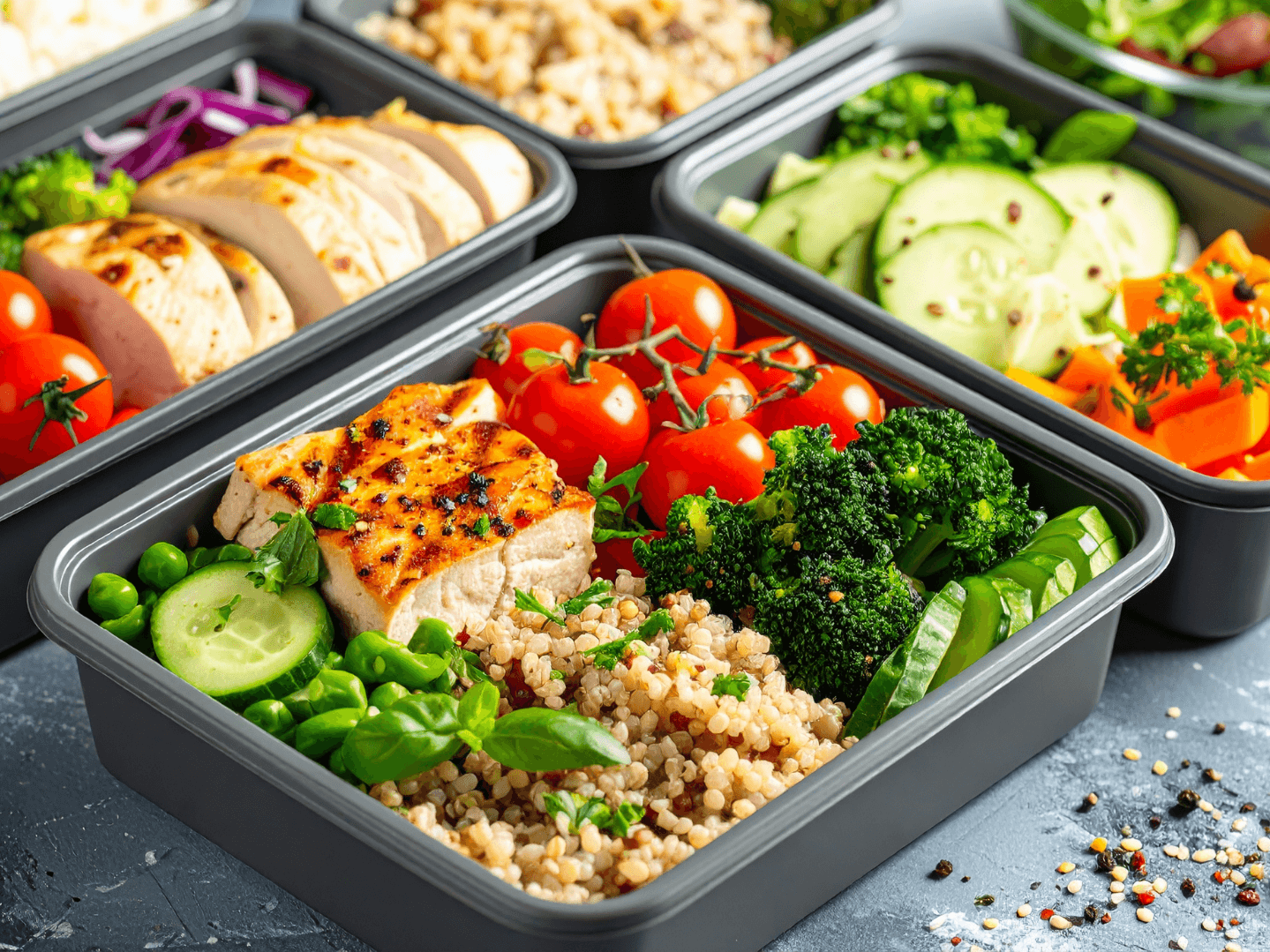
Prioritize Protein
Protein is one of the most satisfying nutrients you can eat and can help you feel fuller for longer.
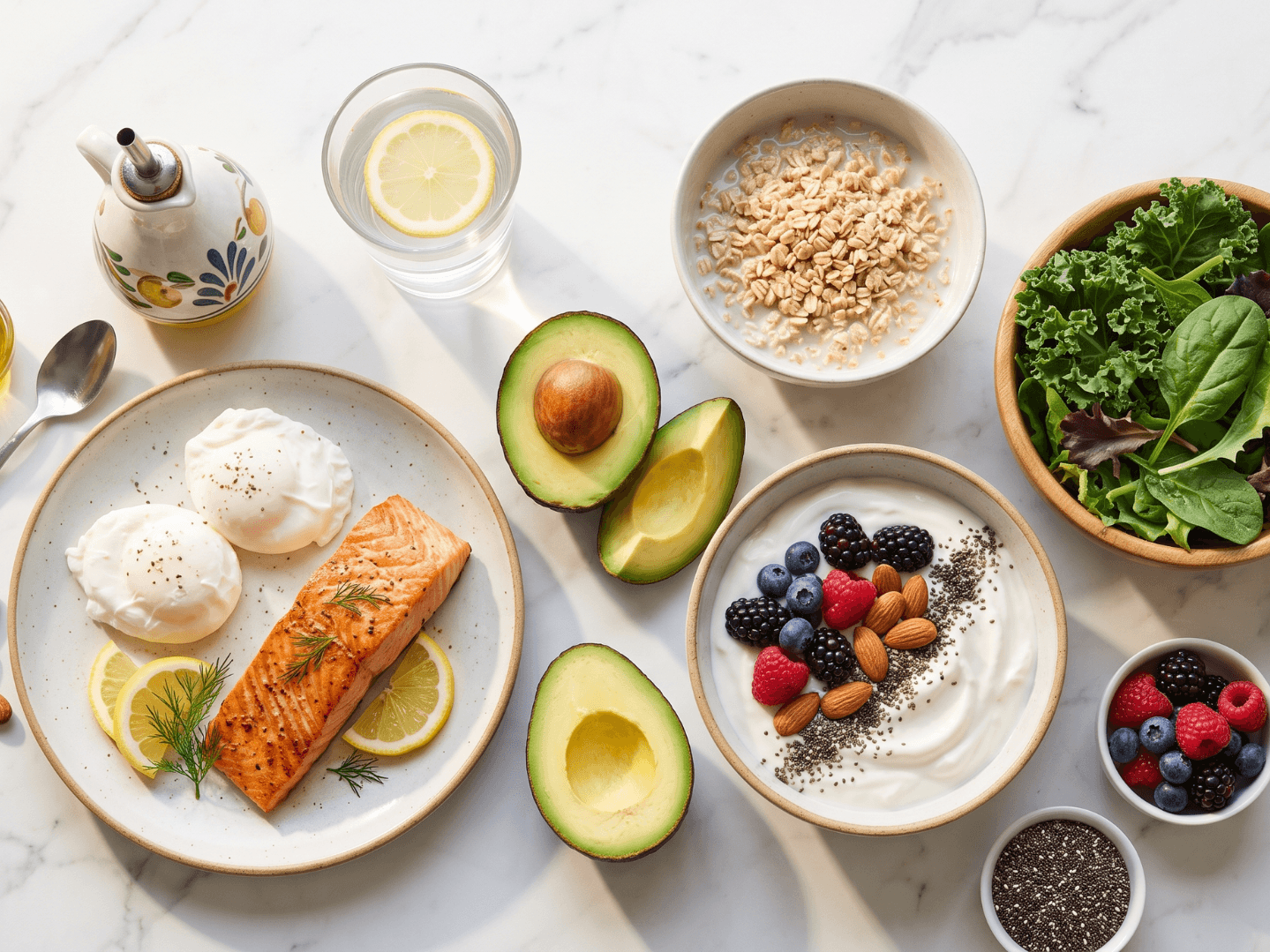
Include Healthy Fats
Foods like avocado, nuts, seeds, and olive oil help slow digestion and contribute to meal satisfaction.
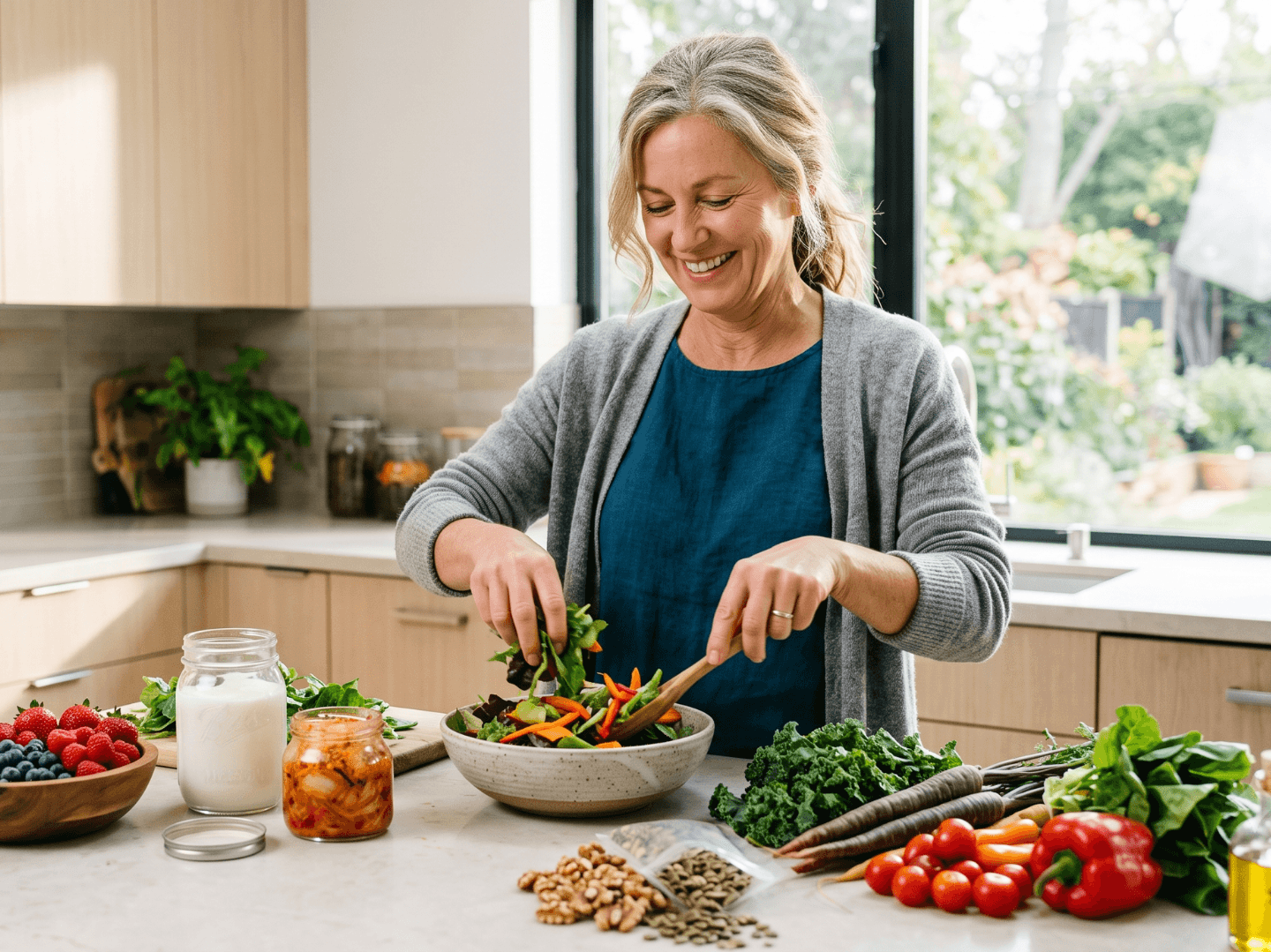
Eat More Fiber
Fiber-rich foods help support digestion while promoting fullness.
Stay Hydrated
Mild dehydration can sometimes be mistaken for hunger.

Support Your Gut Health
A healthy gut plays an important role in appetite regulation, digestion, and overall wellness.
Where Lean Belly Balance ADVANCED Fits In
Because gut health and appetite are so closely connected, supporting your microbiome may help support healthier hunger patterns.
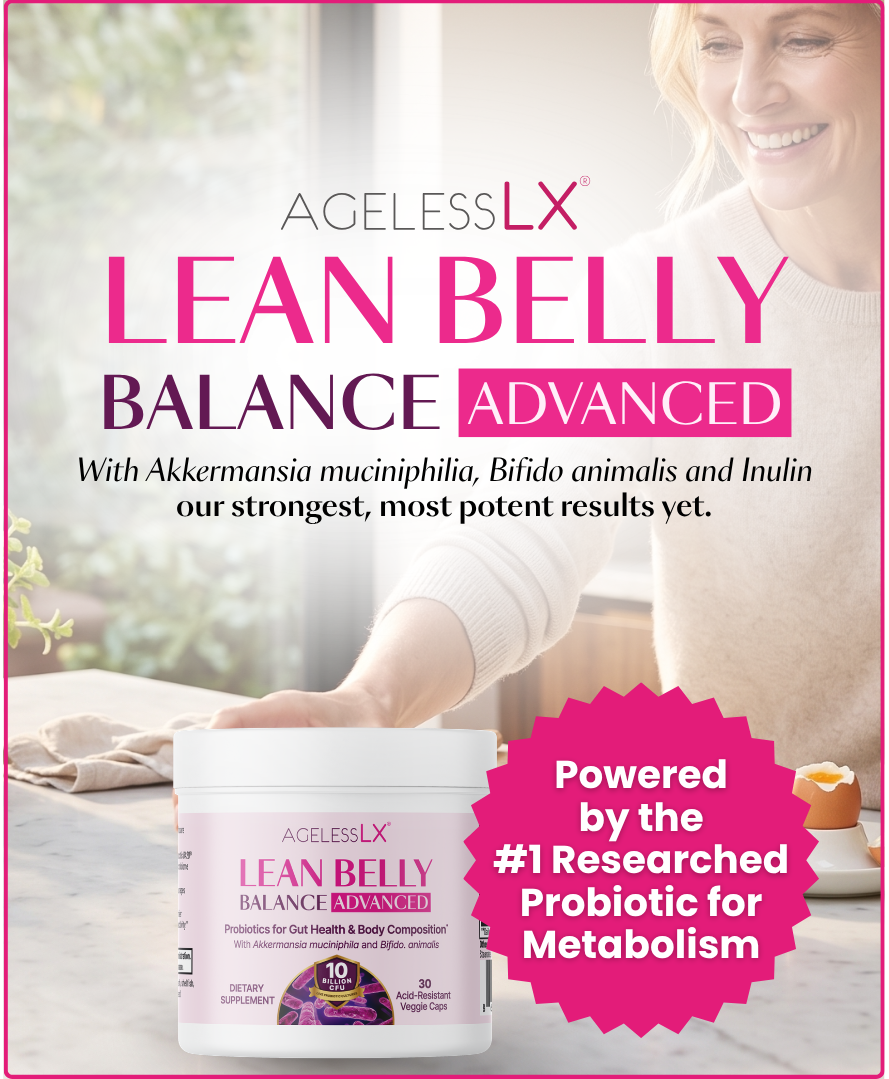
Lean Belly Balance ADVANCED was formulated with Akkermansia muciniphila and Bifido animalis lactis B420, two research-backed probiotic strains that help support gut health and healthy appetite regulation.
These strains have been studied for their role in supporting natural satiety hormones such as GLP-1 and PYY, while also helping reduce hunger, cravings, and overall calorie intake.
By supporting the gut environment involved in appetite signaling, Lean Belly Balance ADVANCED helps make healthy eating feel more natural and sustainable.
Build A Routine That Supports Satisfaction
The best results rarely come from one habit alone.
They come from consistent routines that support your body from multiple angles.
Many women find success by focusing on:
-
protein-rich meals
-
hydration
-
gut health support
-
daily movement
-
muscle support
AgelessLX Strawberry Lemonade fits naturally into this approach.
Powered by myHMB, it helps support lean muscle and metabolism while complementing a routine designed to help you feel stronger, healthier, and more satisfied over time.
The Takeaway
If you're hungry again an hour after eating, your body may be trying to tell you something.
It could be meal composition.
It could be blood sugar.
It could be stress.
Or it could be connected to the way your gut influences appetite and satiety.
The goal isn't to ignore hunger.
It's to understand what's causing it.
Because when you address the root cause, staying satisfied becomes much easier.
References:
-
GLP-1 Physiology and Appetite Regulation – National Library of Medicine
https://pubmed.ncbi.nlm.nih.gov/24825465/
-
Protein and Satiety in Weight Management – The American Journal of Clinical Nutrition
https://pubmed.ncbi.nlm.nih.gov/18469287/
-
The Role of PYY in Appetite Control – National Library of Medicine
https://pubmed.ncbi.nlm.nih.gov/10770958/
-
Harvard T.H. Chan School of Public Health – Carbohydrates and Blood Sugar
https://nutritionsource.hsph.harvard.edu/carbohydrates/
-
Stenman LK, et al. Probiotic with or without fiber controls body fat mass, associated with serum zonulin, in overweight and obese adults.

Learn More
Info
Contact us
📍321 W. Broadway, Suite 500,
Missoula MT 59802
Learn More
Info
Contact us
📍321 W. Broadway, Suite 500,
Missoula MT 59802
*These statements have not been evaluated by the Food and Drug Administration. These products are not intended to diagnose, treat, cure, or prevent any disease.
**Individuals may have received free product or compensation in exchange for their honest review. Individual results will vary. All other benefits/effects noted in these testimonials/reviews are the individuals’ personal opinions and have not been studied.
© 2026 AgelessLX ®️. All rights reserved.