CHANGING THE WAY WOMEN AGE.

Why Muscle Matters More Than Ever After 40
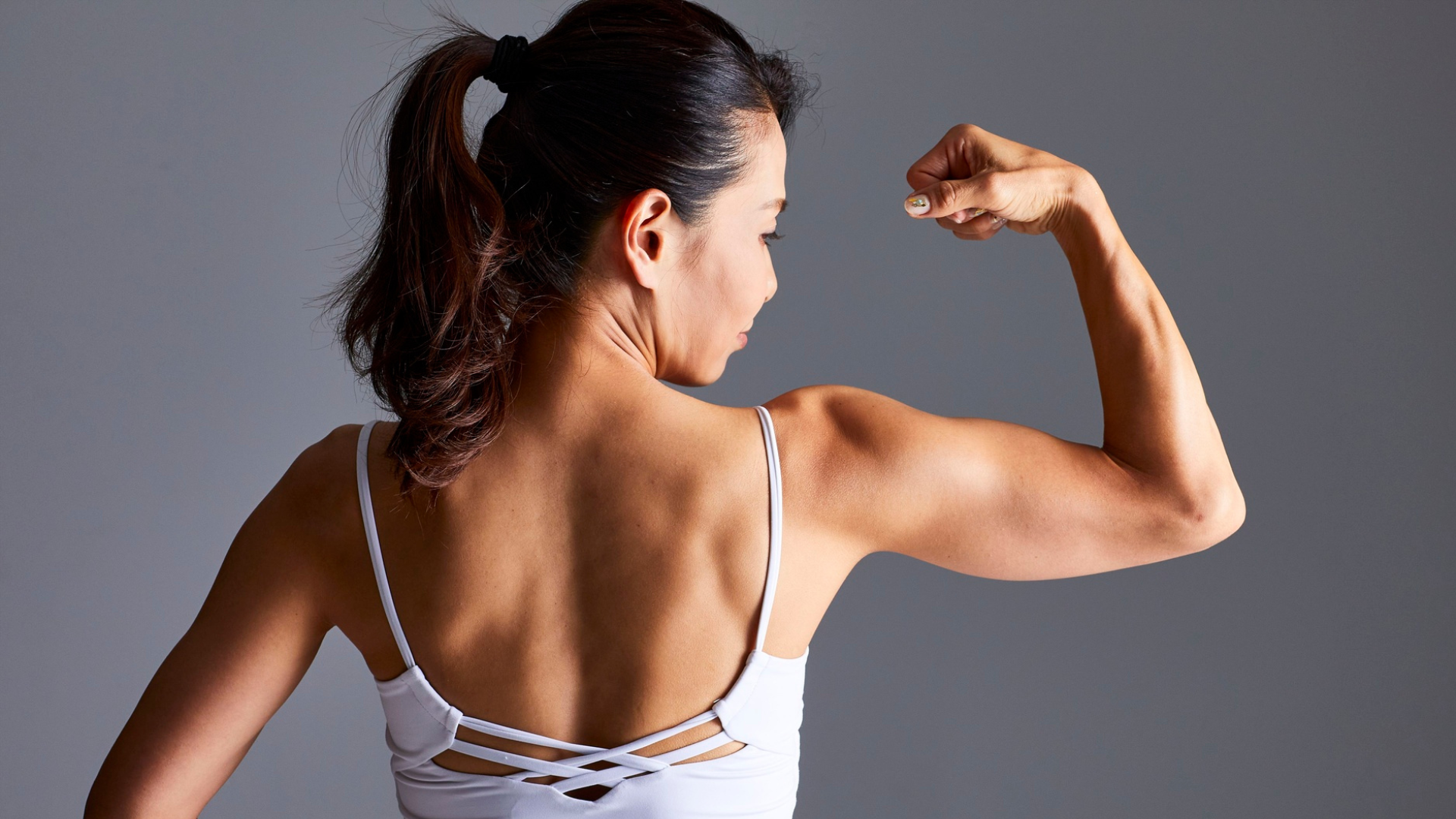
If your body has started to change after 40, you are not imagining it.
Maybe your weight feels harder to manage, even though your habits have not changed much.
Maybe your energy is not as steady as it used to be.
Maybe your body looks softer, less defined, or just… different.
And what can feel even more frustrating is this: You are trying.
You are paying attention to what you eat.
You are making time to move.
You are doing what used to work.
But the results are not matching the effort.
So it starts to feel like something deeper is going on.
It's Not Just Your Metabolism
Most women are told that after 40, metabolism slows down.
That your body simply burns fewer calories.
That fat gain and low energy are just part of aging.
And while that explanation sounds simple…
It leaves out something important.
Because metabolism does not just slow down on its own.
It responds to what is happening inside your body.
And here’s the part most people are not talking about:
👉 The real shift is not just your metabolism
👉 It is what is driving your metabolism
What's Really Changing Underneath
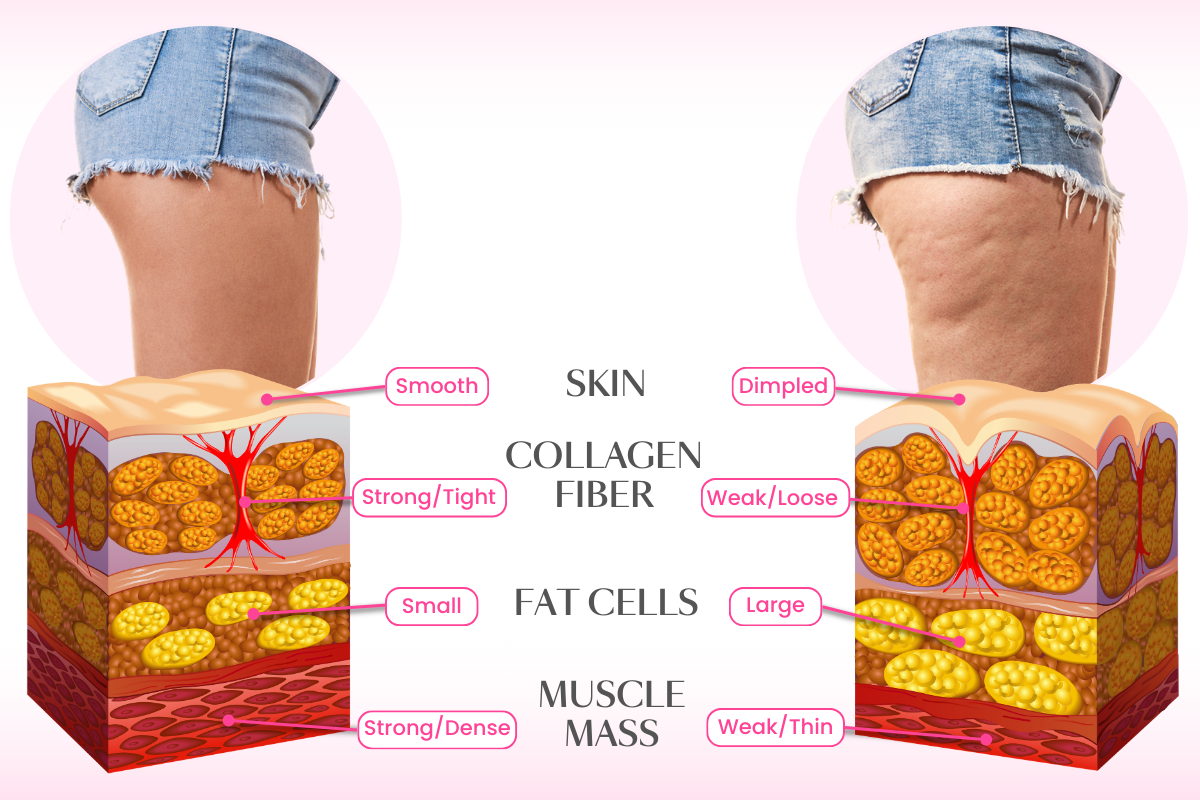
When your body starts to feel different, it is easy to focus on what you can see.
The number on the scale.
The way your clothes fit.
The changes in your shape.
But those are surface-level results.
The real changes are happening underneath.
One of the most important of those changes is this:
You are gradually losing muscle.
And not in a dramatic way.
Not in a way that is easy to notice right away.
But in a slow, steady way that builds over time.
Why Muscle Matters More Than You Think
Muscle is often thought of as something related to strength or fitness.
But its role goes far beyond that.
Muscle is one of the most metabolically active tissues in your body.
That means your body uses energy to maintain it, even when you are not moving.
Even when you are sitting.
Even when you are resting.
Even when you are sleeping.
So muscle is not just something you use.
It is something your body is constantly working to support.
And this is where everything starts to connect.
The First Layer: Your Body Needs Less Energy
As muscle gradually declines, your body does not need as much energy to function.
This happens quietly.
You may still be eating the same way.
Living the same lifestyle.
Following the same routine.
But your body’s needs have changed.
So now, the same meals that used to maintain your weight…
Can start to feel like they are working against you.
This is often when you begin to think:
“My metabolism must be slowing down.”
But what is really happening is this:
👉 Your body is adapting to less muscle
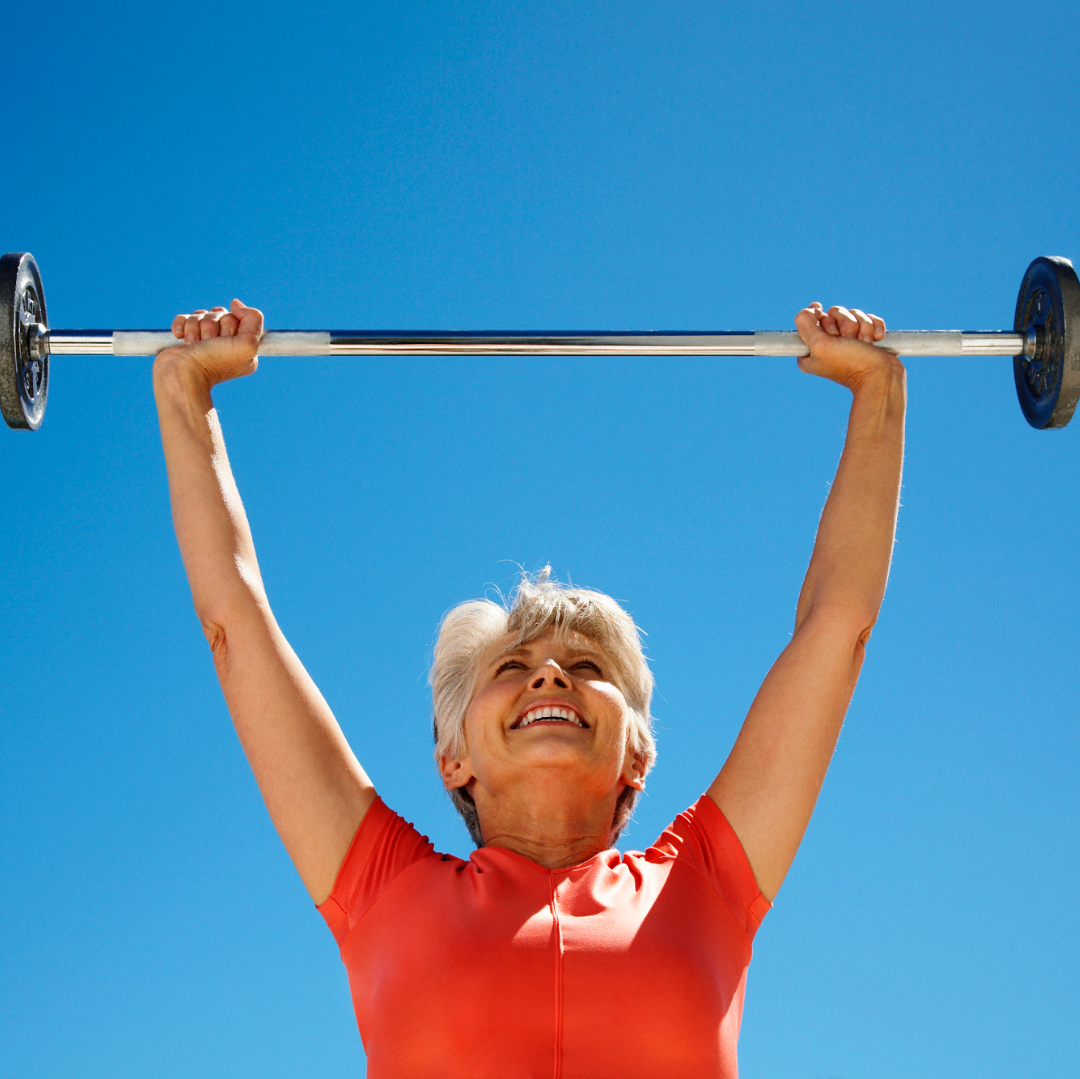
The Second Layer: Your Energy Feels Different
Muscle does not just affect how your body burns calories.
It also plays a role in how your body produces and uses energy.
So as muscle declines, you may start to notice:
-
You feel more tired than usual
-
Your stamina is not what it used to be
-
Recovery takes longer
Even everyday movement can feel more effortful.
Not because you are doing more…
But because your body has less support.

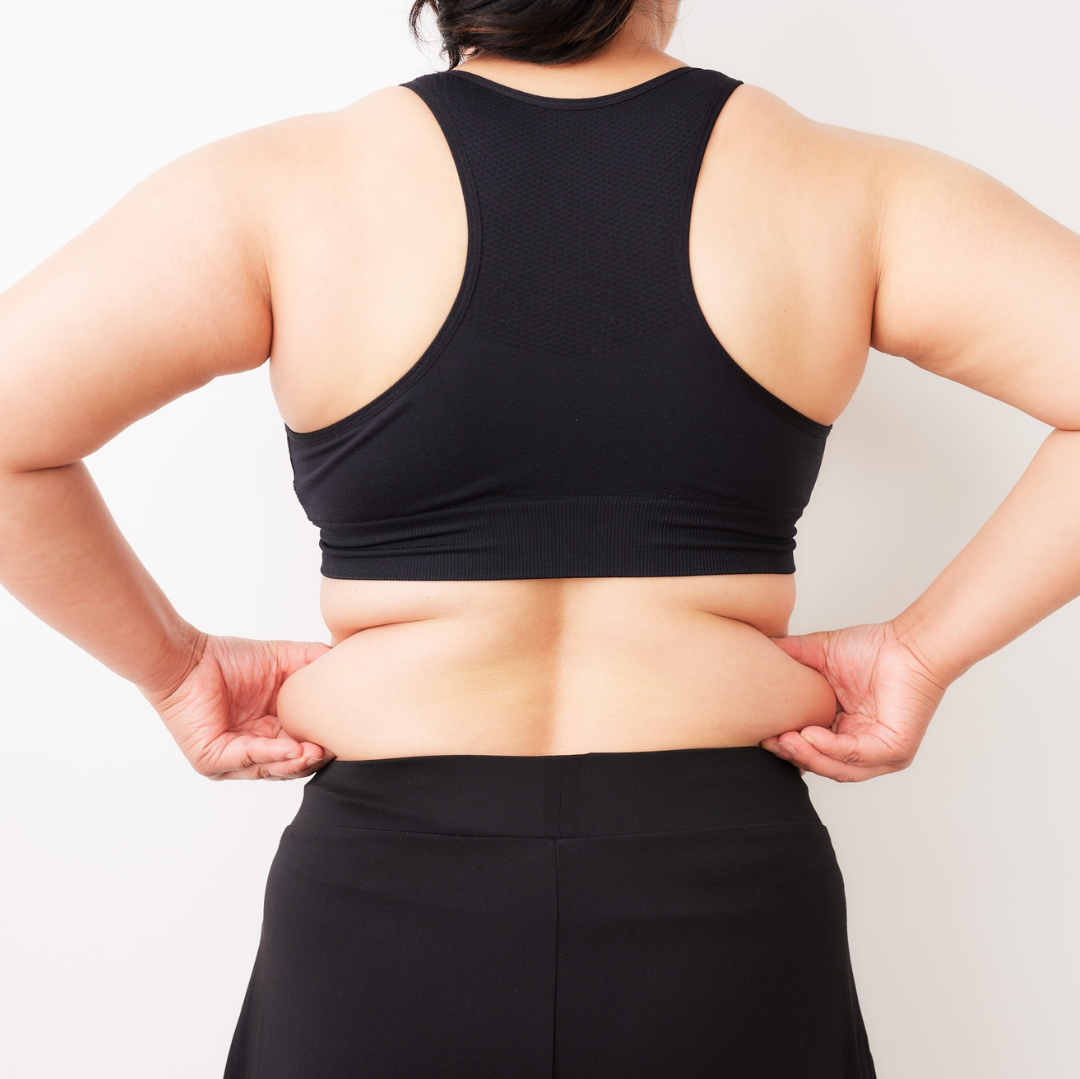
The Third Layer: Your Body Composition Changes
This is where the changes become more visible.
And sometimes more confusing.
Because the scale might not move much.
But your body still looks different.
You may notice:
-
Less definition
-
A softer appearance
-
Changes in areas that used to feel more firm
This is often described as “skinny fat.”
And it can feel frustrating because it does not match your effort.
But it is not about effort.
It is about what your body is made of.
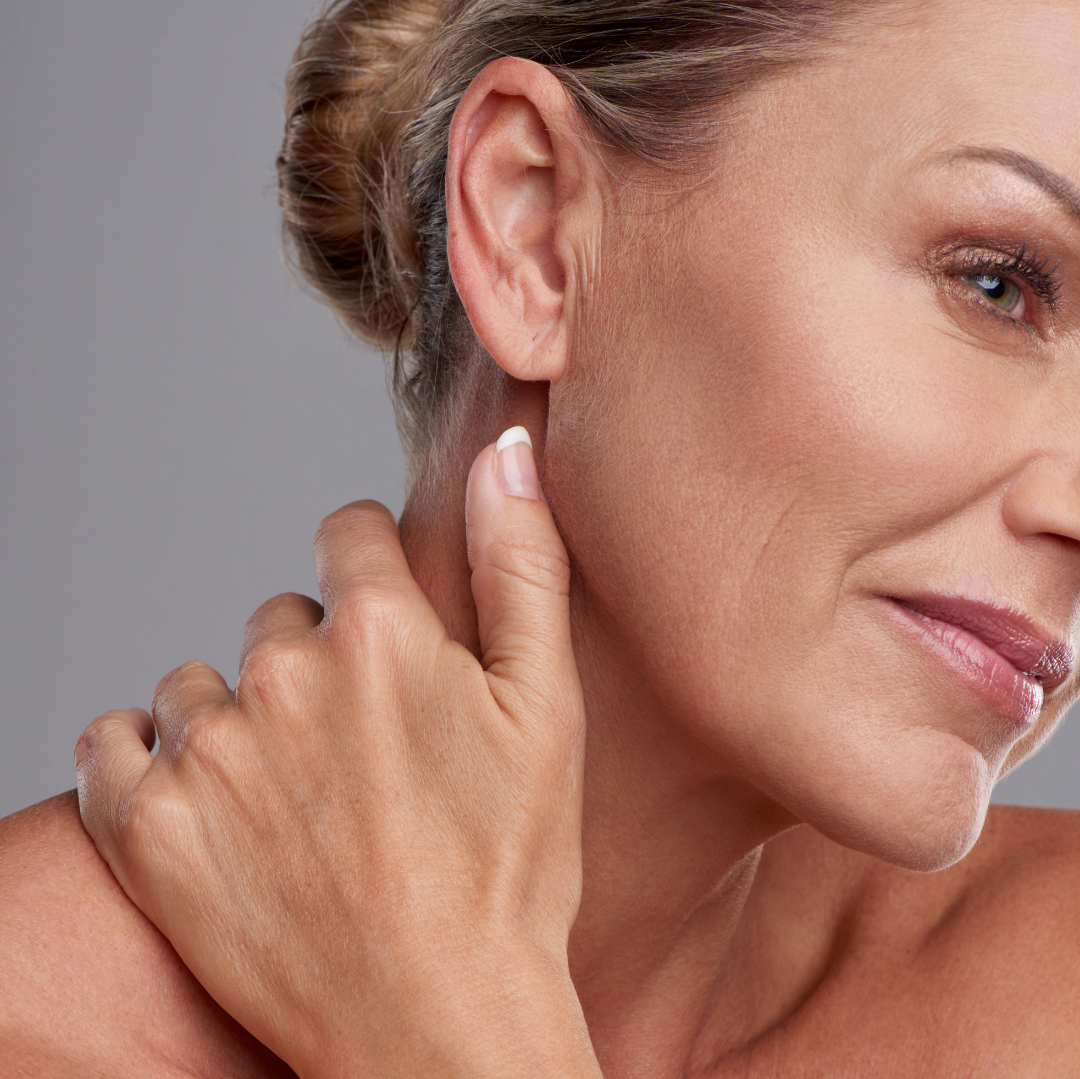
The Fourth Layer: Your Skin Reflects It Too
This is the connection most women are never told.
Muscle supports the structure beneath your skin.
So when muscle declines, that support weakens.
Over time, this can show up as:
-
Skin that looks less firm
-
Changes in texture
-
A loss of that “tight” look
So what you are seeing on the surface…
Is often a reflection of what is happening underneath.
Why Trying Harder Doesn't Always Work
When things start to feel off, the natural instinct is to do more.
Eat less.
Move more.
Be stricter.
But this is where things can start working against you.
Eating too little can make it harder for your body to maintain muscle.
And without enough support, your body may begin to break muscle down.
At the same time, doing more cardio without resistance does not give your body a reason to keep muscle.
So even though you are putting in effort…
You may not be addressing the root of the issue.
What Actually Helps (And It's Simpler Than You Think)
Once you understand what is really going on, the focus becomes clearer.
Your body does not need extremes.
It needs support.
That means:
-
Giving your body enough protein to help maintain muscle
-
Including resistance-based movement to support it
-
Avoiding chronic undereating so your body can function properly
These are not drastic changes.
But they are meaningful ones.
Where AgelessLX Fits In
As your body changes, supporting it from within becomes more important.
AgelessLX is designed to support key areas involved in how your body ages, including muscle.
It contains myHMB (Calcium beta-hydroxy beta-methylbutyrate), a compound that has been studied for its role in supporting lean muscle.
And as you have now seen, muscle is connected to so much more than strength.
It plays a role in:
-
Metabolism
-
Energy
-
Body composition
-
The structure beneath your skin
By supporting muscle, you are supporting the systems that tend to shift the most after 40.
The Takeaway
If your body feels different after 40, there is a reason.
And it is not just your metabolism.
It is what is happening underneath.
And one of the biggest drivers of that change is muscle.
When you begin to support it in the right way, things start to make more sense.
Not just in how your body looks…
But in how it feels and functions every day.

References:
-
Cruz-Jentoft, Alfonso J., et al. “Sarcopenia: European Consensus.” Age and Ageing, 2010. https://pubmed.ncbi.nlm.nih.gov/20392703/
-
Wolfe, Robert R. “The Underappreciated Role of Muscle.” The American Journal of Clinical Nutrition, 2006.https://pubmed.ncbi.nlm.nih.gov/16522942/

Learn More
Info
Contact us
📍321 W. Broadway, Suite 500,
Missoula MT 59802
Learn More
Info
Contact us
📍321 W. Broadway, Suite 500,
Missoula MT 59802
*These statements have not been evaluated by the Food and Drug Administration. These products are not intended to diagnose, treat, cure, or prevent any disease.
**Individuals may have received free product or compensation in exchange for their honest review. Individual results will vary. All other benefits/effects noted in these testimonials/reviews are the individuals’ personal opinions and have not been studied.
© 2026 AgelessLX ®️. All rights reserved.