CHANGING THE WAY WOMEN AGE.

The Difference Between Being Full And Being Satisfied

Have you ever finished a meal, felt physically full, and still found yourself looking for something else to eat?
Maybe you're not hungry anymore.
But you still want a cookie. Or chips. Or something sweet after dinner.
It's a surprisingly common experience.
And it's one of the reasons so many women feel confused about their appetite.
After all, if you're full, shouldn't you be satisfied?
Not necessarily.
Because fullness and satisfaction are not the same thing.
Understanding the difference can completely change the way you think about hunger, cravings, and weight management.
Fullness Is Physical
Fullness is what happens when your stomach stretches after eating.
As food enters the stomach, special receptors detect that expansion and send signals to the brain.
This is your body's way of saying:
"There's food here."
Most people recognize fullness as:
-
pressure in the stomach
-
feeling physically stuffed
-
reduced physical hunger
Fullness is important.
But it's only one part of the appetite equation.
Because you can feel physically full and still want more food.
That's where satisfaction comes in.
Satisfaction Is Mental And Hormonal
Satisfaction is the feeling that you've had enough.
It's the sense of completion that allows you to stop thinking about food and move on with your day.
This feeling is influenced by several factors, including:
-
meal composition
-
hunger hormones
-
blood sugar stability
-
gut health
-
emotional state
When satisfaction is high, food stops occupying your attention.
When satisfaction is low, food often remains on your mind even after eating.
This is why some meals leave you feeling content for hours while others leave you searching for snacks shortly afterward.

Why Processed Foods Often Leave You Wanting More
One reason satisfaction can be difficult to achieve is that many modern foods are designed to be highly rewarding.
They're often:
-
high in sugar
-
high in refined carbohydrates
-
low in protein
-
low in fiber
These foods can be enjoyable to eat.
But they don't always provide the combination of nutrients that help promote lasting satiety.
As a result, you may feel physically full for a short period of time while still wanting more food afterward.
This is one reason many women describe feeling like they're constantly hungry even when they're eating regularly.
Protein Plays A Major Role In Satisfaction
If there is one nutrient most closely associated with satiety, it's protein.
Protein helps support hormones involved in fullness and appetite regulation.
It also digests more slowly than many carbohydrates, helping create a longer-lasting feeling of satisfaction.
This is why a protein-rich breakfast often feels very different from a breakfast made mostly of refined carbohydrates.
One may leave you satisfied until lunch.
The other may have you reaching for snacks before mid-morning.
Including protein consistently throughout the day is one of the simplest ways to support healthy appetite regulation.
Your Gut Helps Regulate Satisfaction
This is the part many people never consider.
Your digestive system doesn't simply process food.
It also helps regulate the hormones involved in hunger and fullness.
Two important hormones involved in satiety are:
GLP-1
GLP-1 helps signal fullness after eating and supports healthy appetite regulation.
PYY
PYY is released after meals and helps communicate satisfaction to the brain.
Together, these hormones help create the feeling that you've had enough.
When these signals are functioning effectively, it becomes easier to stop eating naturally and feel satisfied for longer periods.
When they're not, hunger and cravings may return more quickly than expected.
Why Cravings Can Continue Even After Eating
Many women assume cravings are always caused by hunger.
But cravings often have other triggers.
-
Stress.
-
Habits.
-
Emotions.
-
Blood sugar fluctuations.
-
Food noise.
These factors can create a desire to eat even when physical hunger is absent.
This is why learning to recognize the difference between hunger and cravings can be incredibly helpful.
Sometimes your body needs food.
Sometimes your brain is looking for something else entirely.
How To Feel More Satisfied After Meals
There is no perfect formula.
But several habits consistently help support satiety.
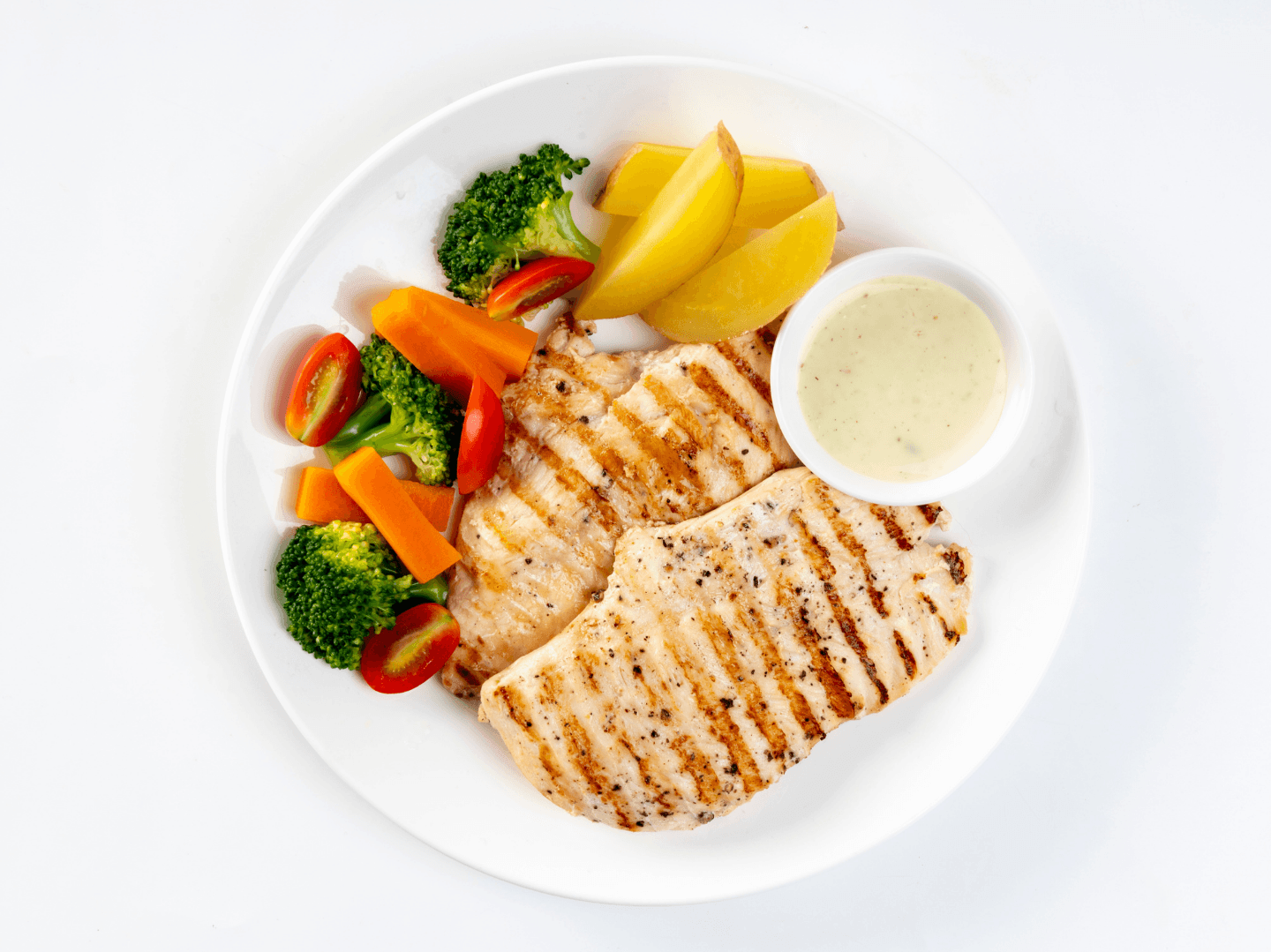
Prioritize Protein
Protein helps support fullness and satisfaction after meals.
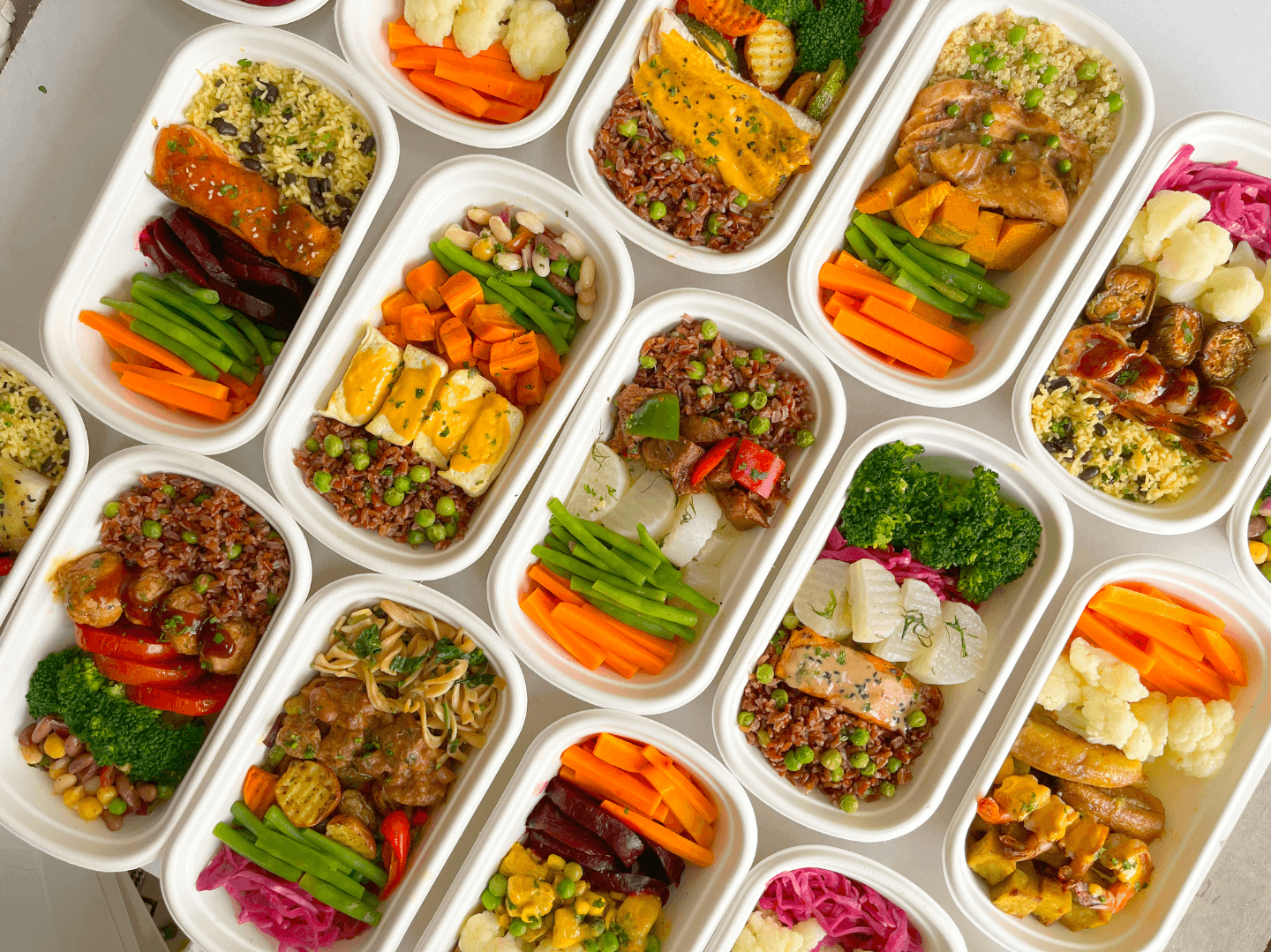
Include Fiber-Rich Foods
Fiber slows digestion and helps support longer-lasting satiety.
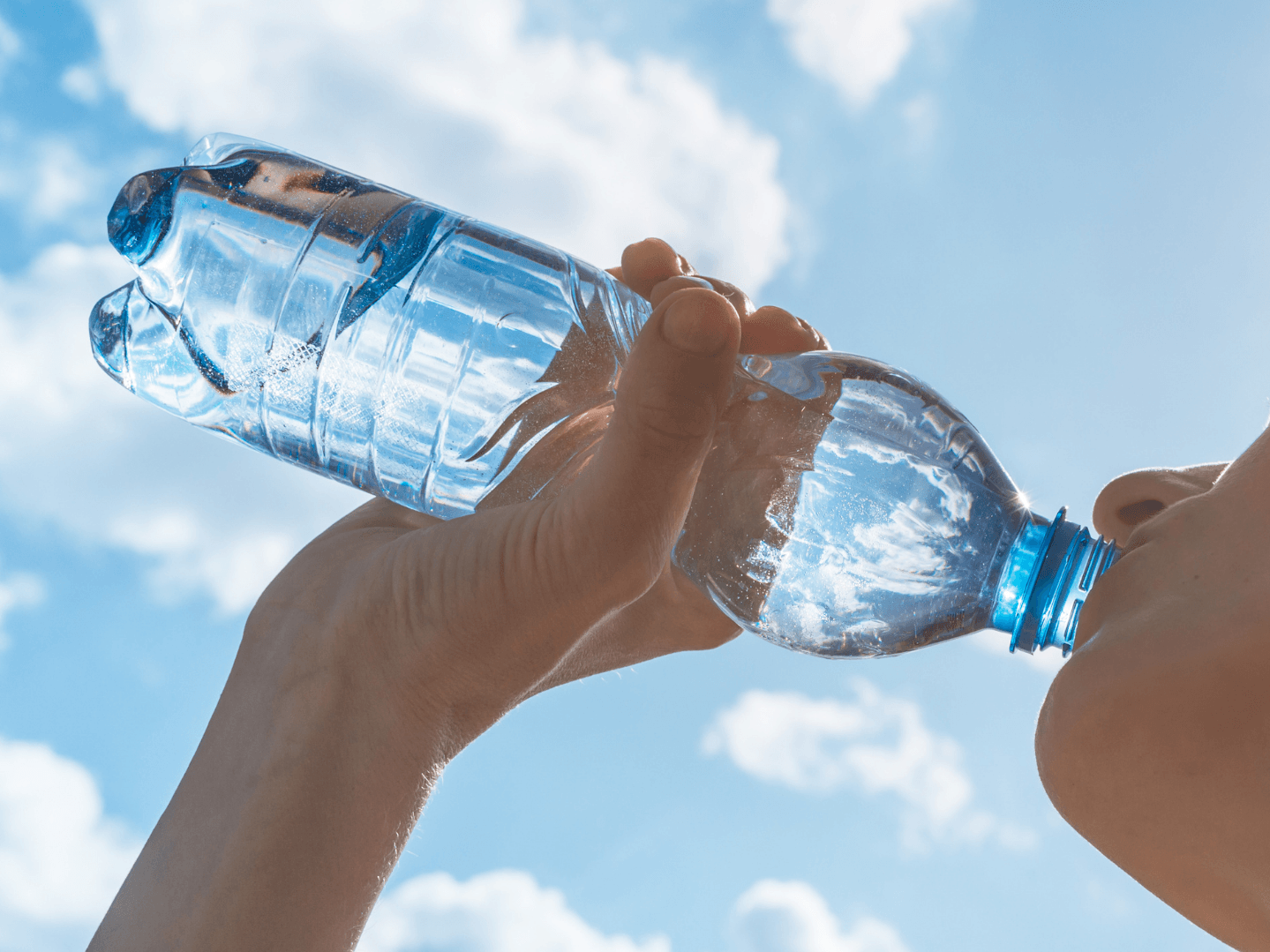
Stay Hydrated
Hydration supports digestion and may help reduce mistaken hunger signals.
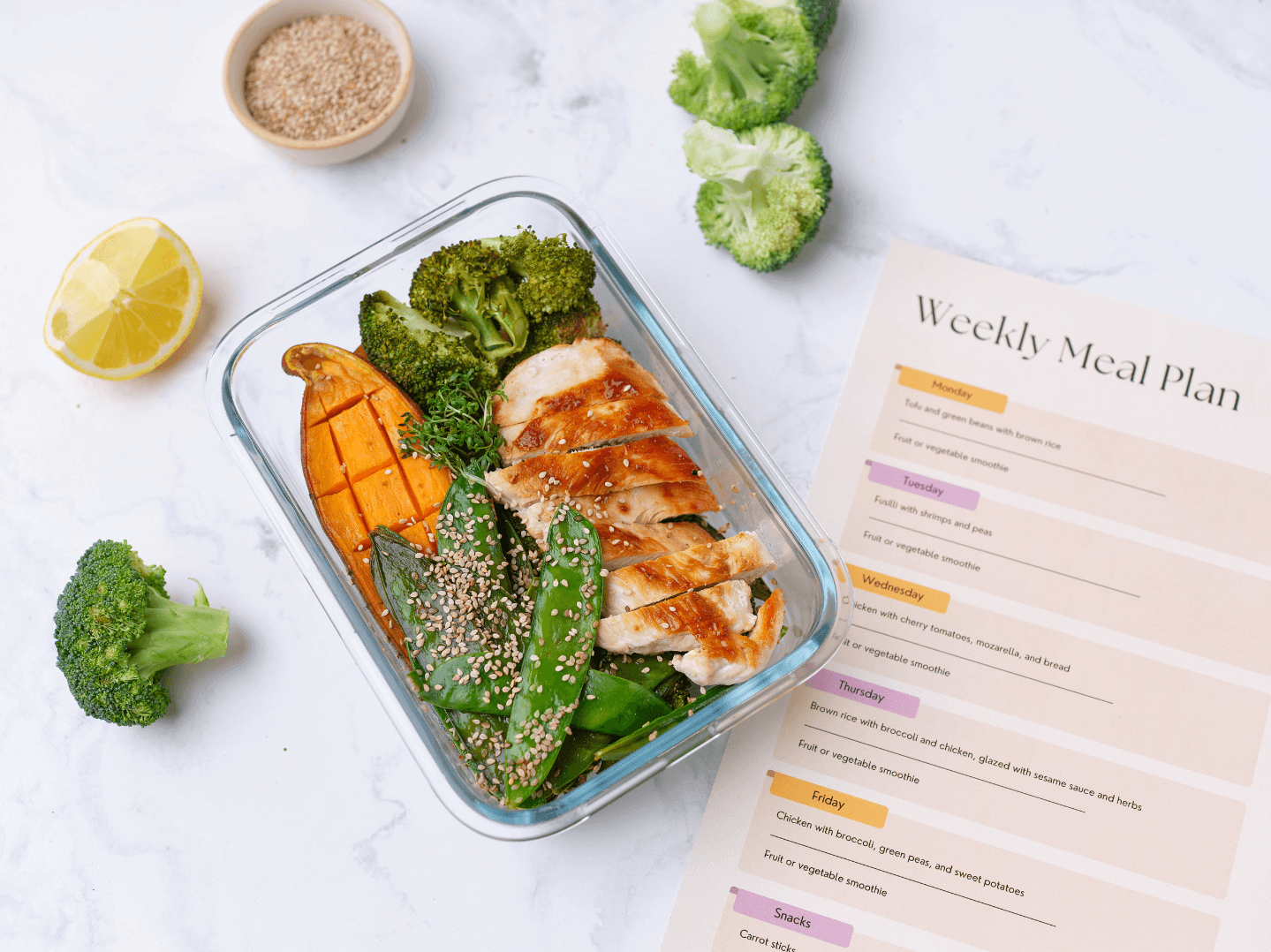
Build Balanced Meals
Meals that combine protein, healthy fats, and fiber tend to be more satisfying than meals built around refined carbohydrates alone.
Support Gut Health
A healthy gut plays an important role in the hormones involved in appetite regulation.

Where Lean Belly Balance ADVANCED Fits In
Because satiety is influenced by gut health, supporting the microbiome can be an important part of maintaining healthy appetite control.
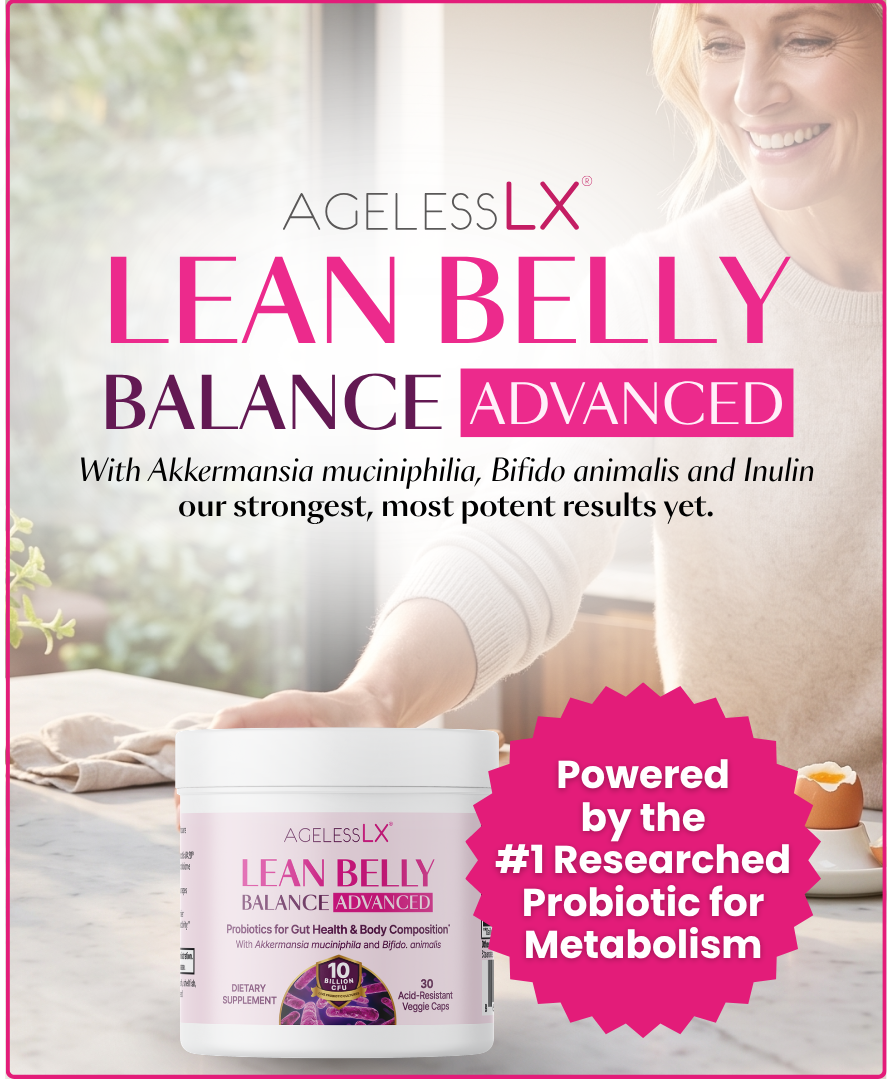
Lean Belly Balance ADVANCED was formulated with Akkermansia muciniphila and Bifido animalis lactis B420, two research-backed probiotic strains that support gut health and healthy appetite regulation.
These strains have been studied for their role in supporting natural satiety hormones such as GLP-1 and PYY while helping support feelings of fullness, digestive health, and reduced cravings.
By supporting the systems involved in satisfaction, Lean Belly Balance ADVANCED helps make healthy eating habits easier to maintain.
Supporting Satisfaction Through Daily Habits
Of course, supplements work best when combined with healthy daily habits.
One of the most effective ways to support satisfaction is building meals around nutrients that help you feel full and nourished, including protein, healthy fats, and fiber-rich foods.
Supporting lean muscle is another important piece of the puzzle, especially after 40 when muscle naturally begins to decline.
AgelessLX Strawberry Lemonade is powered by myHMB (Calcium beta-hydroxy beta-methylbutyrate), a research-backed ingredient studied for its role in supporting lean muscle. And as we've discussed throughout this article, maintaining muscle plays an important role in overall metabolic health and healthy aging.
Because feeling your best isn't just about managing hunger. It's also about supporting the systems that help your body stay strong, active, and resilient over time.
Together, balanced nutrition, gut health support, hydration, and muscle support create a stronger foundation for long-term success.
The Takeaway
Being full and being satisfied are not the same thing.
Fullness comes from the stomach.
Satisfaction comes from a combination of hormones, nutrition, gut health, and appetite regulation.
When you understand the difference, it becomes easier to make choices that leave you feeling nourished instead of constantly searching for your next snack.
Because the goal isn't simply to fill your stomach.
It's to help your body feel truly satisfied.
References:
-
GLP-1 Physiology and Appetite Regulation – National Library of Medicine
https://pubmed.ncbi.nlm.nih.gov/24825465/
-
PYY and Appetite Control – National Library of Medicine
https://pubmed.ncbi.nlm.nih.gov/10770958/
-
Protein and Satiety in Weight Management – The American Journal of Clinical Nutrition
https://pubmed.ncbi.nlm.nih.gov/18469287/
-
The Gut-Brain Axis: Interactions Between Enteric Microbiota and Appetite Regulation – National Library of Medicine https://pubmed.ncbi.nlm.nih.gov/29291669/
-
Stenman LK, et al. Probiotic with or without fiber controls body fat mass, associated with serum zonulin, in overweight and obese adults. EBioMedicine. 2016. https://pubmed.ncbi.nlm.nih.gov/27810310/

Learn More
Info
Contact us
📍321 W. Broadway, Suite 500,
Missoula MT 59802
Learn More
Info
Contact us
📍321 W. Broadway, Suite 500,
Missoula MT 59802
*These statements have not been evaluated by the Food and Drug Administration. These products are not intended to diagnose, treat, cure, or prevent any disease.
**Individuals may have received free product or compensation in exchange for their honest review. Individual results will vary. All other benefits/effects noted in these testimonials/reviews are the individuals’ personal opinions and have not been studied.
© 2026 AgelessLX ®️. All rights reserved.