CHANGING THE WAY WOMEN AGE.

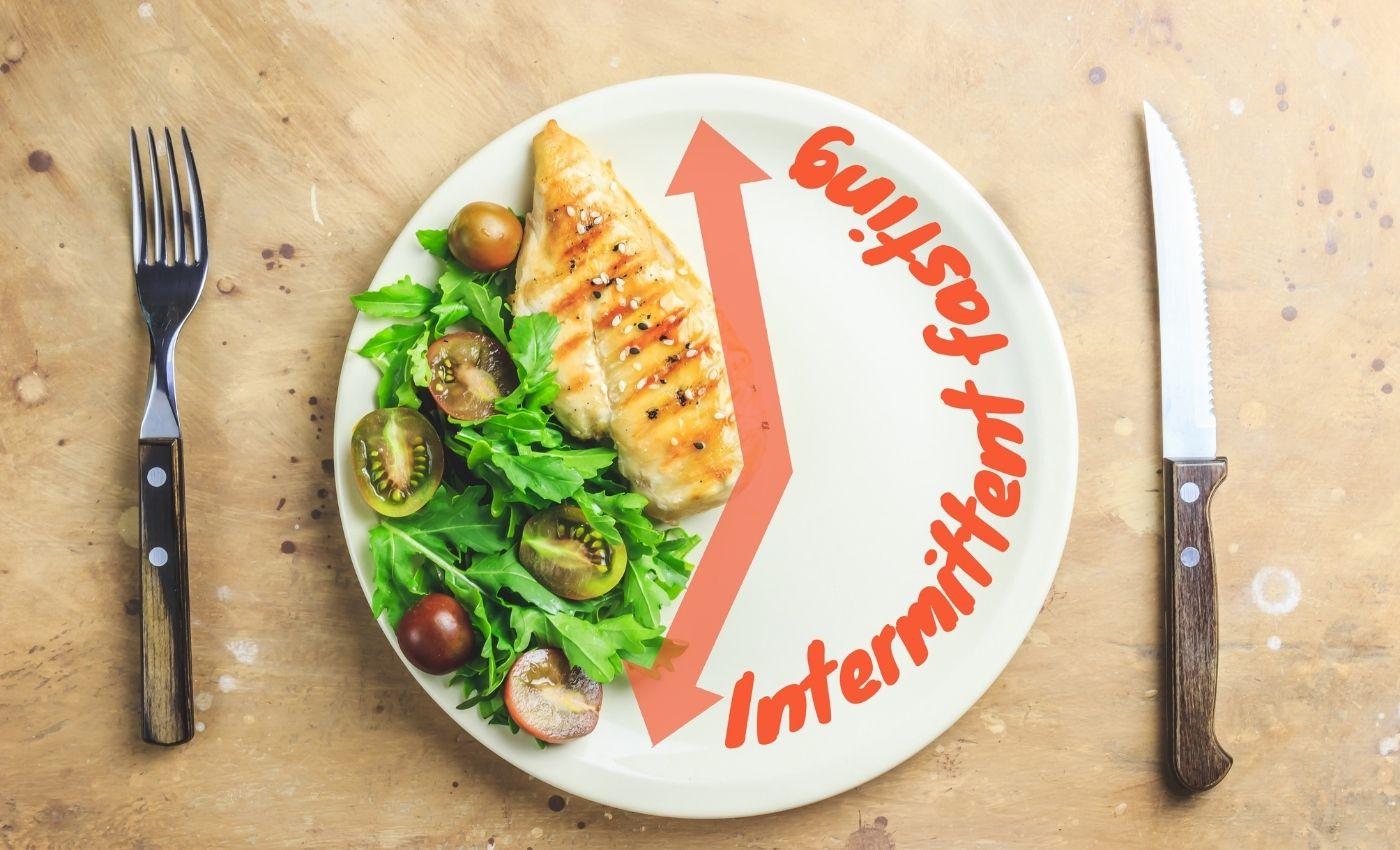
The Basics and Benefits of Intermittent Fasting: A Beginner’s Guide
Let’s face it. No one enjoys feeling deprived while trying to lose weight or improve their health.
The good news is that some nutrition strategies focus less on restricting specific foods and more on when you eat.
One of the most popular approaches is Intermittent Fasting, often called IF.
Intermittent Fasting (IF) is an eating pattern that focuses on meal timing rather than strict food rules.
Instead of concentrating on what foods to eliminate, IF organizes your day into periods of eating and fasting.
You might think that IF is just another weight-loss trend or fad, but it's actually thousands of years old! While IF has gained popularity in recent years, the concept of fasting has existed for thousands of years in many cultures.
Historically, humans often experienced periods of fasting simply because food was not always available.
Some researchers believe these natural fasting periods may have influenced how the human body responds to food and metabolism.
But despite its popularity, some people are still not fully caught up on the basics of how to properly do Intermittent Fasting (IF). So, whether you’ve been doing IF for a while or just learning about it for the first time, keep reading to get the full story on Intermittent Fasting.
Let’s tackle the basics and benefits of Intermittent Fasting, the challenges that come with it, and the delicious, cutting-edge dietary supplements that amplify IF’s positive impacts on your health!
What is Intermittent Fasting?
Intermittent Fasting or IF is when you cycle through periods of eating and fasting— meaning eating little to no food. With IF, what matters is when you eat and not what you eat. So it’s more like an eating pattern than a diet.
Research suggests that intermittent fasting may support weight management, metabolic health, and other aspects of overall wellness.
Many people choose to keep their usual diet while practicing IF, although balanced nutrition is still important. You just have to pick a specific time window for eating.
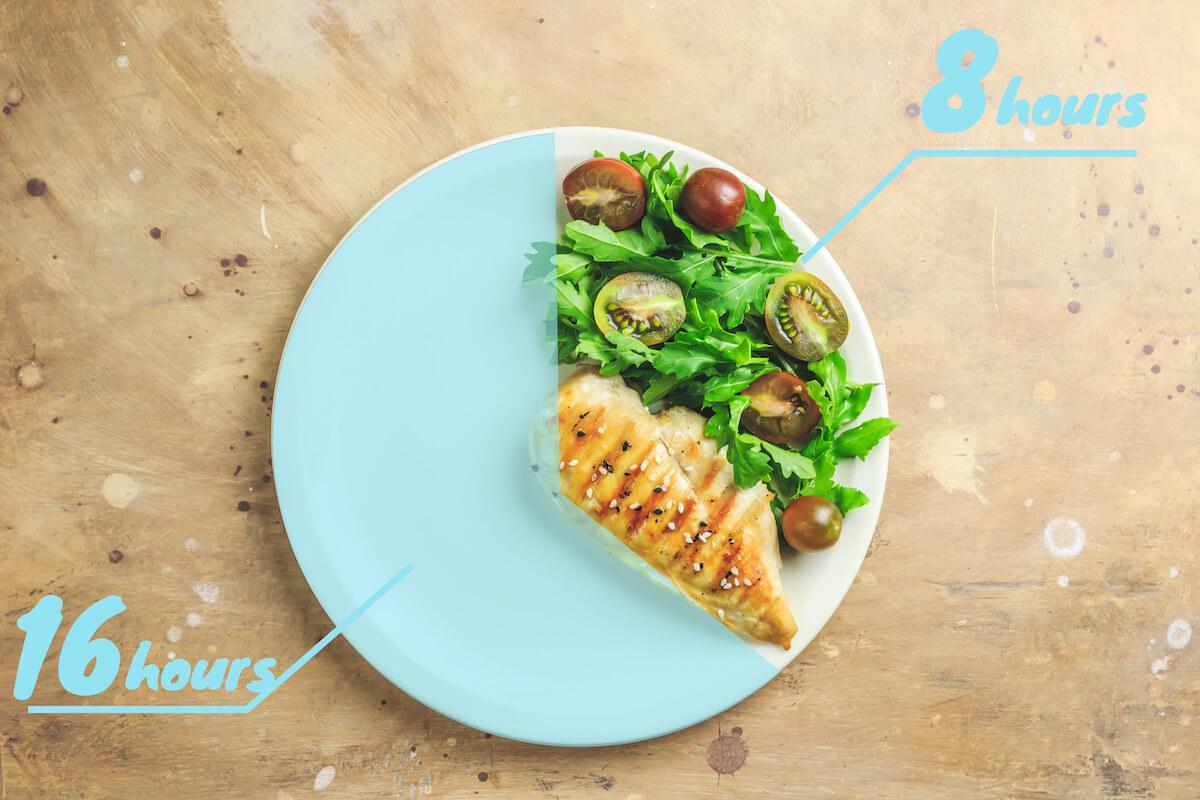
For instance, if you want to fast for 16 hours, that leaves you an 8-hour eating period. That means you can eat from, say, 1 PM to 9 PM and fast from 9 PM to 1 PM the next day.
Because IF is not about what you eat, it’s a lifestyle-friendly and diet-friendly way of improving your health. You can do IF alongside your vegetarian, vegan, or keto diet.
The Evolutionary Perspective of Intermittent Fasting
Intermittent Fasting has an evolutionary basis. Before humans learned how to farm and build temporary shelters, we were nomadic hunter-gatherers. Finding food was uncertain and even dangerous for us, so we got used to not eating for days or weeks at a time. Despite these long fasting periods, humans adapted and survived.
Therefore, fasting for extended periods of time was more natural to us than eating 3 meals and 2 snacks per day.
But ever since we evolved into more intelligent beings, we learned to create permanent homes and eventually invent the technology that helps preserve and store our food. Over time, agriculture and food storage made meals more consistent, and fasting became less common in everyday life.
How does Intermittent Fasting work?
Intermittent Fasting Methods
Intermittent fasting is very personal. There are several ways to go about it, depending on how you split your day or your week into eating and fasting periods.
Here are the most common methods:
1. Time-restricted Eating
This method is probably the most popular one, especially for IF beginners. Using this method, you get to choose your eating and fasting time windows. The typical ones are:
-
20/4 method— you fast for 20 hours and eat for 4 hours; this method is on the extreme end of the spectrum and is only ideal for those who have been intermittent fasting for some time
-
16/8 method – you fast for 16 hours and feed for 8 hours
-
14/10 method— you fast for 14 hours and eat for 10 hours; this method is ideal for beginners
-
12/12 method— you fast for 12 hours and eat for 12 hours; the minimum fasting period is 12 hours, making this the perfect method for beginners who can’t endure a 14-hour fasting period
These methods allow you to choose which hours you want to eat and fast, depending on what works for you best.
For example, if you follow the 16/8 method, you can try the Leangains protocol wherein you skip breakfast and eat from 1 PM to 9 PM. But if this time frame doesn’t work for you, you may choose different hours, say, fasting from 6 PM to 10 AM the next day.
2. The Fast Diet / The 5:2 Method
The fast diet involves sticking to a 500-calorie diet (if you’re a woman) or a 600-calorie diet (if you’re a man) for 2 days a week and returning to your regular diet for the other 5 days.
You can choose which days you limit your calories as long as you put at least one non-fasting day between those 2 days. For example, you can restrict calorie intake on Mondays and Wednesdays or Tuesdays and Fridays and eat your regular meals for the rest of the week.
3. The Eat-Stop-Eat Method
This method is a bit more extreme. It involves fasting for 24 hours once or twice a week. You can either fast from breakfast to breakfast or dinner to dinner; that’s up to you.
Fasting for one day can cause side effects like headaches and fatigue. So, if and when you try this method, you need to go back to your healthy, regular diet during your non-fasting days.
Fundamental Rules of Intermittent Fasting
Intermittent Fasting only has a few simple rules that help you maximize its benefits. These rules help you avoid interfering with your fast and maintain proper nutrition.
1. Establish a fasting and feeding time frame.
Intermittent fasting is all about meal timing and not meal content, so the most basic rule is to determine when and how long you want to fast. Again, the minimum fasting time is 12 hours (12/12 method).
2. Don’t break your fast. Stay under 50 calories.
This may go without saying, but you should fast for consecutive hours. Meaning, for 12 or 20 hours, you should not eat or drink anything that can break your fast. Otherwise, the hunger you’ve been enduring, especially if you’re just starting out, will be for naught.
To avoid breaking your fast, you can either refrain from eating or only eat foods that contain less than 50 calories.
Here are some foods and beverages you can consume without breaking your fast or compromising its benefits:
-
Water
-
Coffee and tea— black coffee and tea are ideal, but you can add a bit of milk as long as the drink’s total number of calories doesn’t exceed the 50-calorie limit
-
Apple cider vinegar (diluted)
-
Bone broth
-
Low- to zero-calorie supplements
3. Although IF is not a diet, be mindful of what you eat.
Intermittent Fasting is not an excuse to be careless about what we eat. Aside from being a weight management tool, it’s also about building a sustainable lifestyle.
So, even if you’re doing IF, you must still choose to eat healthy, no matter what eating pattern you’re following.
Eat a colorful diet packed with fruits and vegetables. Choose whole foods, nuts, and seeds over processed foods with preservatives.
Benefits of Intermittent Fasting
Aside from the ease and flexibility of Intermittent Fasting, its health and weight loss benefits also encourage people to jump on the bandwagon.
1. Weight Management
Ketosis
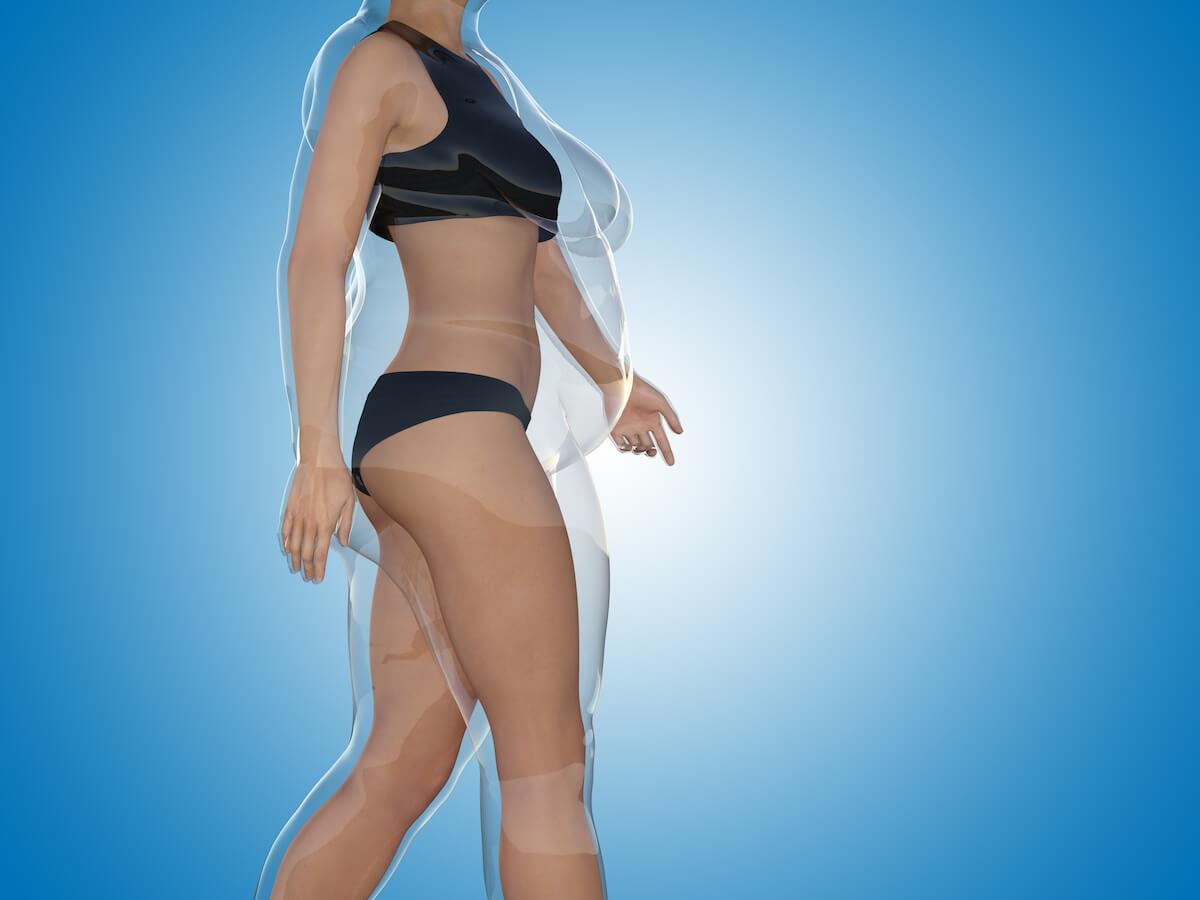
During longer fasting periods, the body may begin to shift toward using stored fat as an energy source, a process associated with ketosis, a process wherein your body burns fat for fuel when it doesn’t have enough carbohydrates to metabolize. Through this, your body fat percentage decreases, and you lose weight.
Ketosis also happens when you’re on a ketogenic diet, a diet consisting high fats and low carbohydrates.
Hormone resetting
Some research suggests that time-restricted eating may influence hunger hormones that regulate appetite. For example, one clinical trial found that early time-restricted feeding reduced Ghrelin levels and helped stabilize hunger throughout the day.
When Ghrelin is reduced, your hunger stabilizes, you feel fuller, and your appetite decreases. The decrease in appetite lessens food intake, supports IF, and leads to more fat loss.
2. Lowers Insulin Resistance and Reduce Risk for Type 2 Diabetes
Insulin resistance is a condition where your cells stop responding to the insulin produced by your pancreas and don’t use the glucose (sugar) in your blood. This triggers the pancreas to produce more insulin to force glucose into the unresponsive cells.
Eventually, this leads to the rise of blood sugar levels, putting you at risk of developing Type 2 diabetes.
Intermittent fasting is one of the ways to reduce insulin resistance and your risk for diabetes. Human studies prove that IF lowers insulin levels by 20-31% and blood sugar levels by 3-6%.
3. Reduces Inflammation
Even though it’s unclear how Intermittent fasting reduces inflammation, a study published in the Cell Press journal shows that fasting and calorie restrictions can calm inflammatory responses without compromising your immunity.
Reducing chronic inflammation may help support overall health and may lower the risk of certain conditions such as arthritis, heart disease, and neurodegenerative diseases.
By helping you prevent these diseases, Intermittent Fasting may help you live longer. Studies on fruit flies and mice show that IF promotes longevity and overall health. Researchers are still studying whether these findings apply in the same way to humans.
Challenges of Intermittent Fasting
Despite its benefits on our health, Intermittent Fasting also has challenges and adverse effects. Here are some of them:
It’s challenging to start Intermittent Fasting.
This is especially true for people who are used to eating frequently throughout the day. Frequent eating causes your blood sugar levels to rise and fall all day, and when it dips, you go hungry.
Solution: Ease into Intermittent Fasting. As mentioned earlier, you only need to fast for at least 12 hours to reap the benefits of IF, so start with the 12/12 method.
Also, make sure that your fasting period falls within your sleep time so it’s easier for you to fast. In other words, see to it that it fits perfectly with your daily routine for more ease.
It’s hard to stick to an eating pattern.
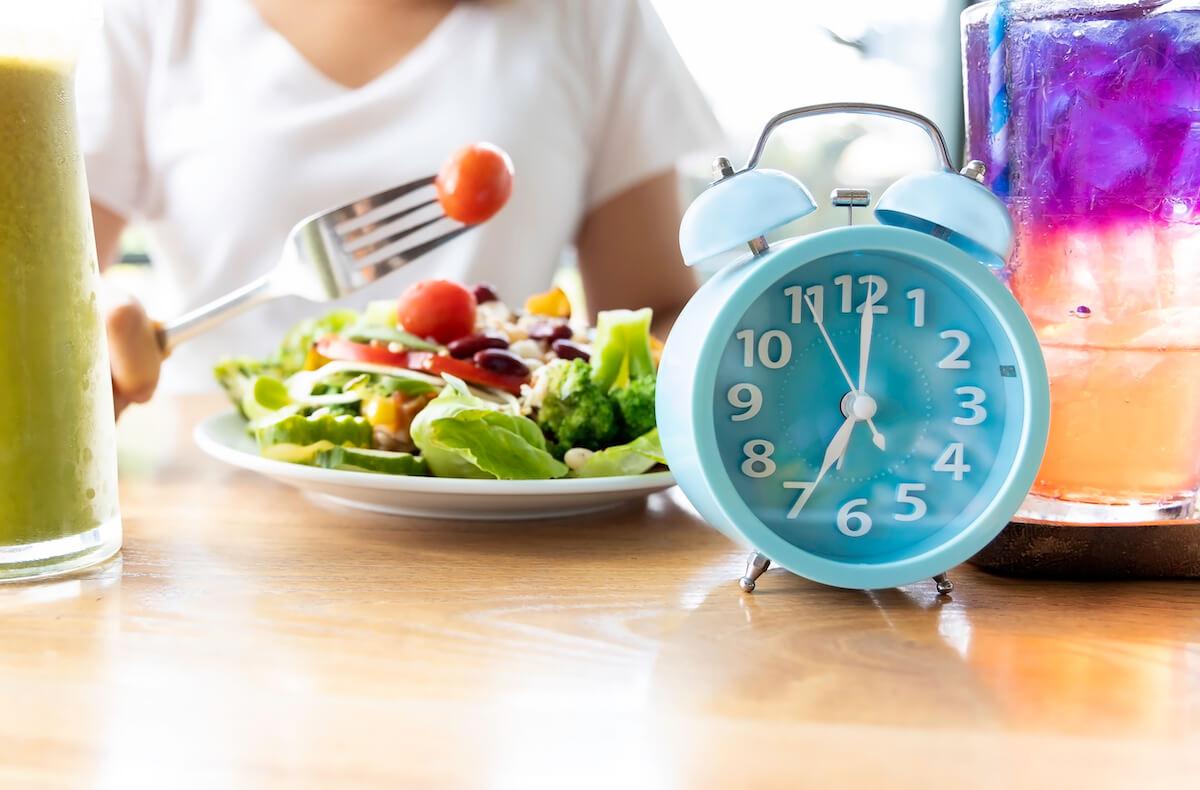
Social interferences like parties or when someone suddenly offers free food can mess with your eating pattern.
Solution: Aside from relying on your willpower to say “No” to eating during your fast, you can also invite a close friend or relative to do IF with you and be your Accountability Buddy.
This way, you have someone outside yourself to hold you accountable for your commitment to IF and discourage you from slipping. You can also share your progress with this someone to keep yourselves motivated to keep going.
Intermittent Fasting can make you want to binge.
It’s tempting to overeat during your eating period when you’re fasting, especially because IF is not about what you eat.
But you must remember that unhealthy foods remain unhealthy regardless of the eating pattern you follow, and it’s bad for your health no matter what your eating pattern is. IF can’t spare you from the adverse effects of overeating unhealthy foods.
Solution: Fix your mindset about IF: it’s all about sustainability. While on IF, you must adopt a healthy, colorful diet that supports overall health and healthy aging that you’d be proud to stick to.
Intermittent Fasting can lead to muscle loss which accelerates the aging process.
The biggest problem with IF is nutrient depletion. Because of its design, you may not be able to eat enough nutrient-dense foods during your eating period. This may result in nutrient deficiency and lead to muscle loss.
This is a significant problem because muscle loss is a major factor in physical aging. Your soft tissues and skin won’t have adequate support without enough muscle mass and strength. As a result, your skin loses its firmness and becomes wrinkly, crepey, and saggy.
Also, muscle loss can compromise your mobility. And when you, heavens forbid, get injured, your muscles won’t be able to recover quickly and properly. This limits physical ability further and causes continued muscle deterioration.
Solution: Besides eating nutritious foods during your feeding window, you may also take nutritional supplements. Even with 3 full meals a day, it’s challenging to meet our body’s daily nutritional requirement to stay healthy. So taking a food-based, nutrient-dense greens powder to go with your IF would be an excellent choice!
Also, because muscle naturally breaks down as you age, you may opt to take a dietary supplement that’s packed with patented ingredients that promote muscle health.
I.F.’s perfect pair in supporting women’s health: AgelessLX Nutritional Supplements
Maximize the benefits of intermittent fasting and solve its biggest problem by taking revolutionary dietary supplements that are powered by science and packed with potent ingredients!
Introducing the AgelessLX Strawberry Lemonade and the AgelessLX Power Greens!
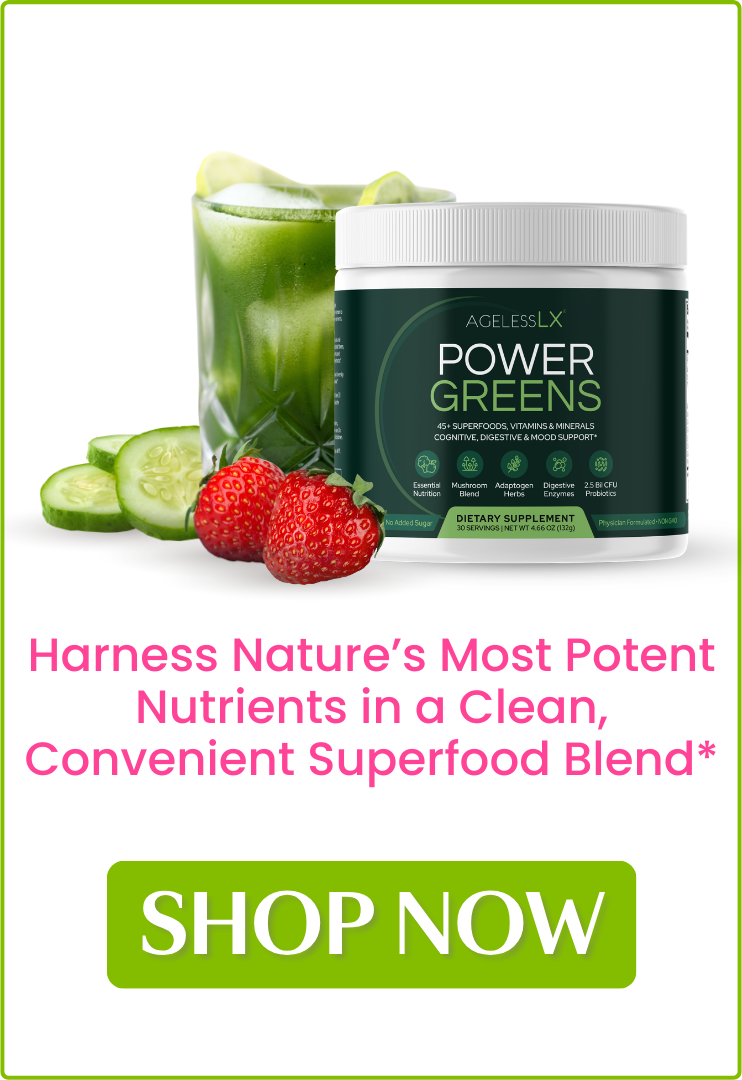
The AgelessLX Power Greens is the all-in-one, whole food nutrition solution for busy women who need a nutritional insurance in their arsenal!
AgelessLX Power Greens is made from real fruits, vegetables, herbs, and roots. It’s chock full of antioxidants, anti-inflammatory agents, vitamins, minerals, prebiotics, probiotics, and digestive enzymes— all of which carry these benefits:
-
Gives energy
-
Sharpens the mind
-
Supports healthy digestion and microbiome
-
Fights bloating
-
Fights oxidative stress and calms inflammation
-
Strengthens immunity
-
Slims you down
-
Supports healthy aging
Even if you don’t get 6 servings of vegetables every day with your limited feeding window, AgelessLX Power Greens can give you all the nutrients you need from REAL whole foods, so you can stay healthy and lively!
AgelessLX Power Greens also contains natural sweeteners! Unlike other greens powders that taste like sludge, our Power Greens is designed to taste smooth and enjoyable.
With only 30 calories per serving, Power Greens can easily fit into many nutrition routines. It’s the ultimate healthy greens powder that anyone can enjoy guilt-free anytime, anywhere!
But wait, the good news doesn’t stop there!
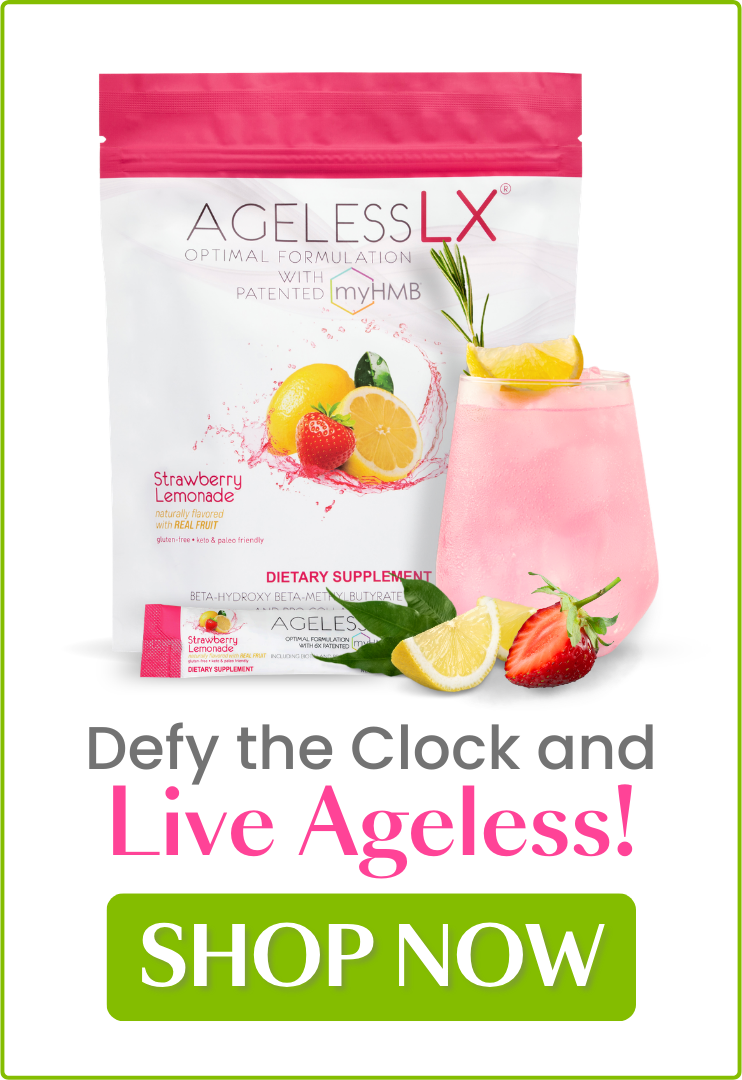
You can take the health benefits and the yumminess of the AgelessLX Power Greens to the next level by combining it with the AgelessLX Strawberry Lemonade, our mouth-watering flavored supplement that has ZERO calories!
AgelessLX Strawberry Lemonade contains HMB, a potent and patented ingredient that supports protein metabolism and helps maintain muscle during periods of calorie restriction..
Studies prove that HMB still supports muscle health in people who have calorie-restricted diets. In other words, by taking AgelessLX Strawberry Lemonade, you can preserve your precious hard-earned muscle even when you’re fasting!
Boost the benefits of IF and be your healthiest, fittest, and toned self by mixing the AgelessLX Power Greens and AgelessLX Strawberry Lemonade together!
If you find this article helpful, share it on social to help others understand Intermittent Fasting and discover the powerful supplements that maximize its benefits!
LINKS & REFERENCES:
The Leangains Guide - Leangains
The Beginner’s Guide to the 5:2 Diet (healthline.com)
Intermittent Fasting: What It Is, Types and How It Works – Cleveland Clinic
Intermittent Fasting 101 — The Ultimate Beginner's Guide (healthline.com)
Intermittent Fasting Rules (ocsportsandwellness.com)
12 Burning Questions About Intermittent Fasting, Answered | Everyday Health
What Breaks a Fast? Foods, Drinks, and Supplements (healthline.com)
What Breaks A Fast? What To Avoid, Recommendations, & More (mindbodygreen.com)
Ketosis: Definition, Keto Diet, Symptoms, and Side Effects (webmd.com)
Ketogenic Diet - StatPearls - NCBI Bookshelf (nih.gov)
10 Intermittent Fasting Benefits: Weight Loss, Cell Repair & More (healthline.com)
Does Intermittent Fasting Work? | UNC Health Talk (unchealthcare.org)
Dietary Intake Regulates the Circulating Inflammatory Monocyte Pool: Cell

Learn More
Info
Contact us
📍321 W. Broadway, Suite 500,
Missoula MT 59802
Learn More
Info
Contact us
📍321 W. Broadway, Suite 500,
Missoula MT 59802
*These statements have not been evaluated by the Food and Drug Administration. These products are not intended to diagnose, treat, cure, or prevent any disease.
**Individuals may have received free product or compensation in exchange for their honest review. Individual results will vary. All other benefits/effects noted in these testimonials/reviews are the individuals’ personal opinions and have not been studied.
© 2026 AgelessLX ®️. All rights reserved.