CHANGING THE WAY WOMEN AGE

A More Comfortable Holiday Table
How To Enjoy The Foods You Love While Keeping Your Nutrition Goals In Mind
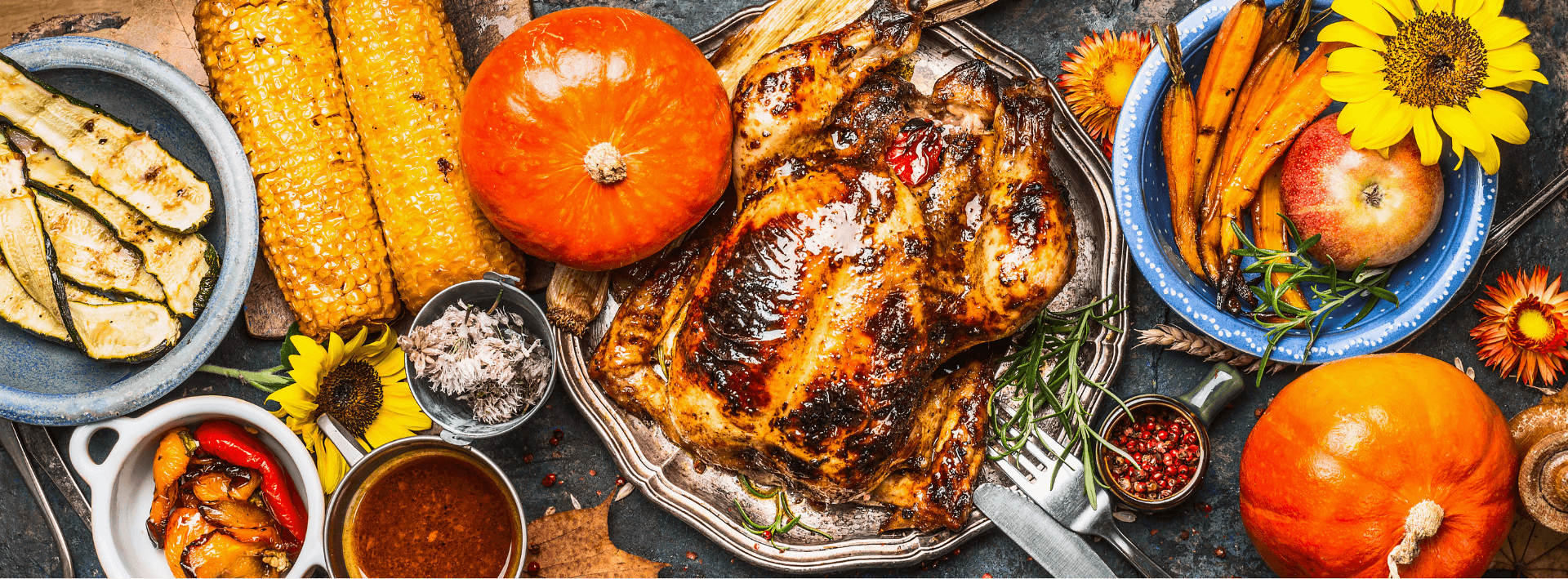
Holiday meals are meant to feel different from everyday meals. They are richer, larger, later, and filled with foods we may not normally eat all at once. Add travel, changing sleep schedules, less movement, more snacking, and a few days away from your usual routine, and your body may notice the holidays too.
As we get older, many of us become more aware of how food makes us feel, and how quickly holiday meals can add up. The meal that once left us ready for another round of festivities may now have us looking for a comfortable chair and wondering why we ate quite so much stuffing.
That does not mean you need to rethink every family recipe. A more comfortable holiday table is not about restriction. It is about enjoying the foods you love while making a few thoughtful choices that help balance calories, protein, digestion, and the nutrition goals you follow throughout the rest of the year.
Put Protein At The Center Of The Plate
Protein can be especially helpful during the holidays because it makes a meal feel more substantial and helps balance a plate filled with rich sides, breads, and desserts.
Holiday meals often include protein, but it can easily become a smaller part of the plate once the potatoes, stuffing, rolls, casseroles, and desserts arrive. Starting with a meaningful source of protein can help create a more balanced and satisfying meal.
Holiday-friendly protein choices may include:
-
Turkey, chicken, lean beef, pork, or fish
-
Shrimp cocktail or smoked salmon
-
Eggs or deviled eggs
-
Greek yogurt or cottage cheese
-
Cheese, nuts, and seeds
-
Beans, lentils, tofu, or other plant-based proteins
For example, your holiday plate might include a serving of turkey, roasted vegetables, your favorite stuffing, and a little cranberry sauce. You still get the flavors that make the meal special, with protein and vegetables helping round out the plate.
If you are hosting, consider offering at least one simply prepared protein that is not covered in a heavy sauce. If you are attending a gathering where appetizers are the main event, look for protein-rich choices instead of filling up entirely on crackers, sweets, and snack foods.
Protein does not make the holiday meal less festive. It simply gives the meal a stronger nutritional foundation.
Keep Calories In Perspective
Watching calories during the holidays does not mean counting every bite or avoiding the dishes you love. It can be as simple as deciding which foods are truly worth it to you.
Start with smaller portions of your favorites, build the plate around protein and vegetables, and skip the foods you are eating only because they happen to be there. You can always go back for more if you are still hungry.
Try eating slowly and allowing a little time between dinner and dessert. The pie will still be there in twenty minutes.
This is not about restriction or “being good.” It is about enjoying the foods that make the holiday special without ending the meal feeling uncomfortably full.
Make Room For Comfort, Not Just Calories
Sometimes, the difference between enjoying a holiday meal and feeling overly full afterward is simply how much we try to fit into one sitting.
Holiday tables encourage a little of everything. And when the food is especially good, it is easy to keep eating before noticing that you have had enough.
Permit yourself to slow down. Enjoy what is on your plate, take a break before going back for seconds, and notice when you are comfortably satisfied.
You do not have to sample every dish at once. Save a favorite for later, enjoy dessert when you are ready, or take a short walk with family after dinner.
The goal is not to eat less at all costs. It is to enjoy more of the experience without making yourself uncomfortable.
Support Your Everyday Nutrition Routine
One holiday meal will not undo your usual routine, just as one balanced meal cannot create it. What matters most is what you do consistently.
During a busy holiday week, try to keep a few familiar habits in place:
-
Include protein throughout the day
-
Drink plenty of water
-
Add vegetables and other fiber-rich foods where they fit
-
Stay active, even if it is only a walk after dinner
-
Return to your usual routine after the celebration
-
Avoid “making up for” a holiday meal by overly restricting food the next day
HMB, or beta-hydroxy beta-methylbutyrate, is a metabolite of the essential amino acid leucine. It is not a protein and does not replace the need for protein-rich foods. Research has explored its potential role in supporting muscle health, although findings vary across populations and study designs.
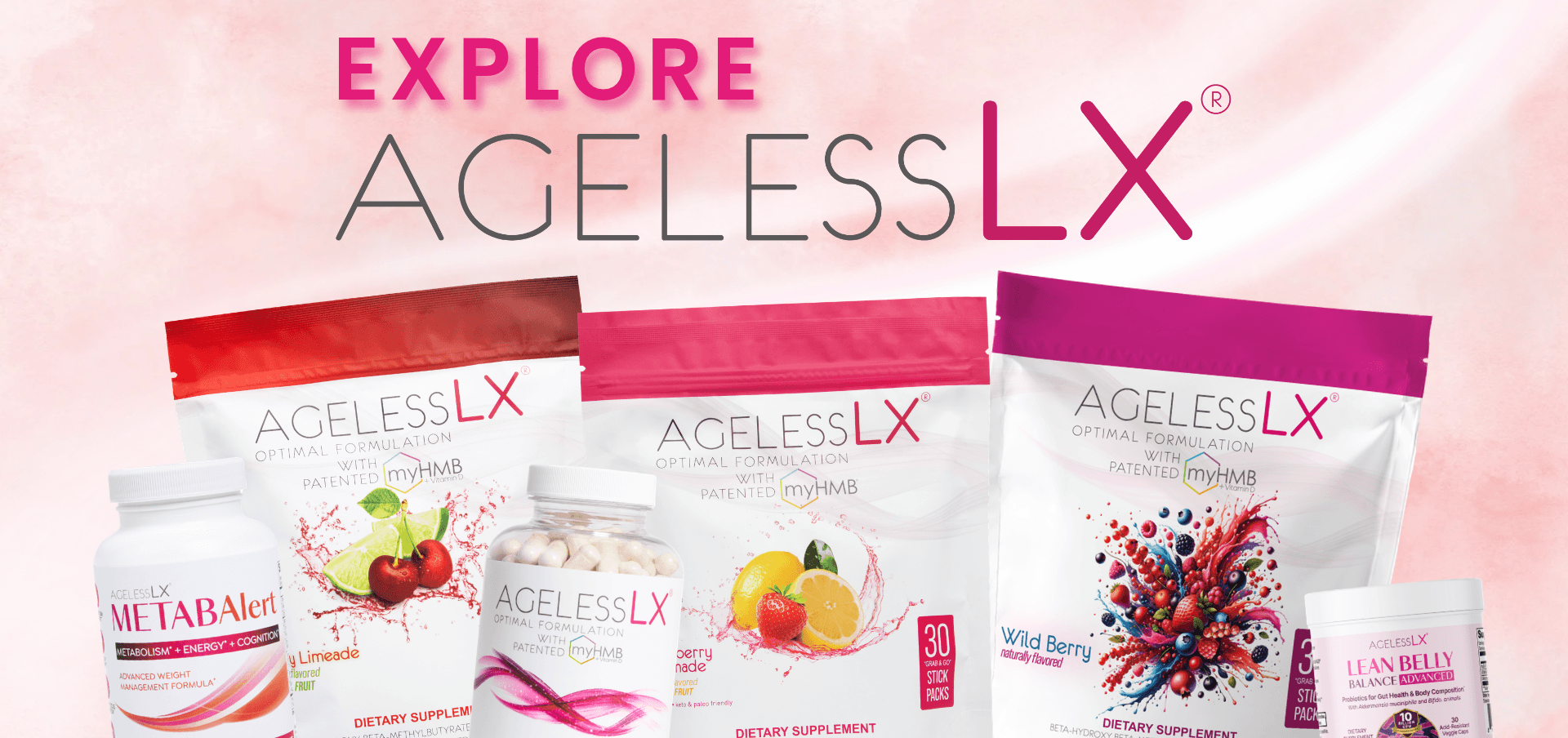
Certain AgelessLX formulas feature patented myHMB® as part of their nutritional support. For those who include these formulas in their daily routine, they can be one familiar step alongside protein-rich meals, regular movement, and the everyday habits that matter throughout the year.
Enjoy The Holiday Meal
A holiday meal is not supposed to look exactly like the way you eat every other day of the year. That is part of what makes it special.
Enjoy the family recipe. Have the stuffing. Choose the dessert you wait all year for.
At the same time, a few everyday habits can still come along for the celebration. Begin with protein. Add some vegetables. Drink water. Move a little. Pay attention to comfortable portions and choose the foods you will genuinely enjoy.
The goal is not to create a perfectly controlled holiday menu. It is to enjoy the occasion without completely abandoning the nutrition habits that matter to you.
Because the best holiday table is still the one where people feel welcome, favorite foods still taste like favorite foods, and everyone has something they can comfortably enjoy.
And in the end, the best part of the holiday meal is still the people sitting around the table.
Keep Your Healthy Habits On The Menu
Your favorite holiday foods and your everyday nutrition goals can share the same table.
Protein-rich meals, regular movement, and familiar routines can all remain part of the season, even when your schedule looks a little different.
Explore how AgelessLX can fit into your approach to staying strong and active, during the holidays and beyond.
References:
-
Leidy, Heather J., et al. “The Role of Protein in Weight Loss and Maintenance.”
The American Journal of Clinical Nutrition, vol. 101, no. 6, 2015, pp. 1320S-1329S.
-
Wood, Wendy, and Dennis Rünger. “Psychology of Habit.”
Annual Review of Psychology, vol. 67, 2016, pp. 289-314.
-
Landi, Francesco, et al. “Beta-Hydroxy-Beta-Methylbutyrate and Sarcopenia: From Biological Plausibility to Clinical Evidence.”
Current Opinion in Clinical Nutrition and Metabolic Care, vol. 22, no. 1, 2019, pp. 37-43.
IMPORTANT NOTE
This article is provided for general educational purposes only and is not intended to replace individualized medical advice. The information shared is designed to support informed conversations about healthy aging, nutrition, movement, and lifestyle. Always consult your healthcare professional before making significant changes to your diet, exercise routine, or supplement use, especially if you are pregnant, nursing, taking medication, or managing a health condition.

Learn More
Info
Contact us
📍321 W. Broadway, Suite 500,
Missoula MT 59802
Learn More
Info
Contact us
📍321 W. Broadway, Suite 500,
Missoula MT 59802
*These statements have not been evaluated by the Food and Drug Administration. These products are not intended to diagnose, treat, cure, or prevent any disease.
**Individuals may have received free product or compensation in exchange for their honest review. Individual results will vary. All other benefits/effects noted in these testimonials/reviews are the individuals’ personal opinions and have not been studied.
© 2026 AgelessLX ®️. All rights reserved.